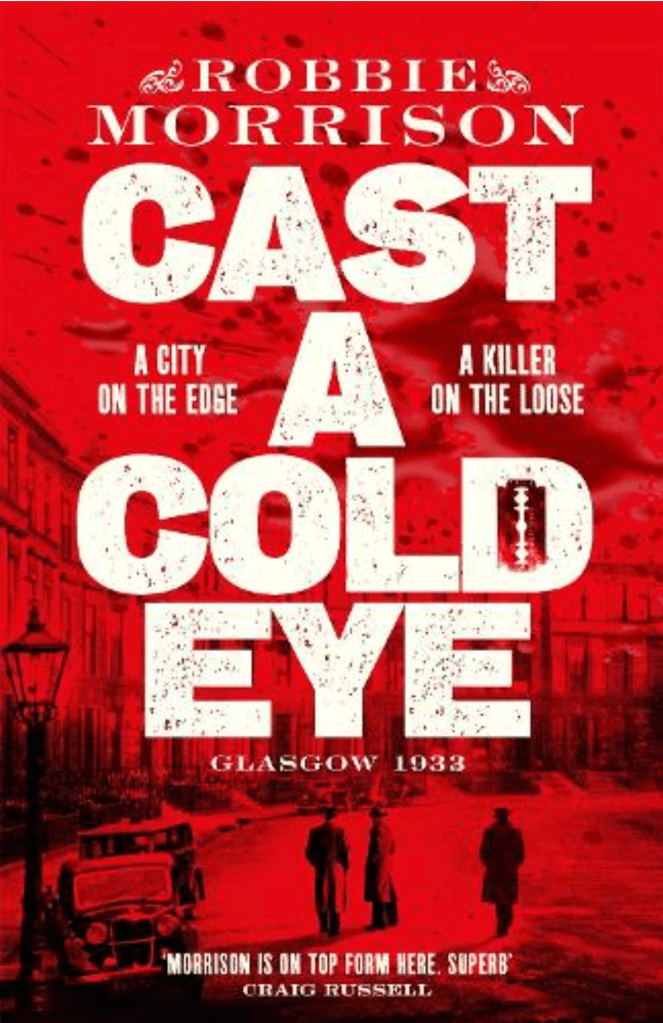
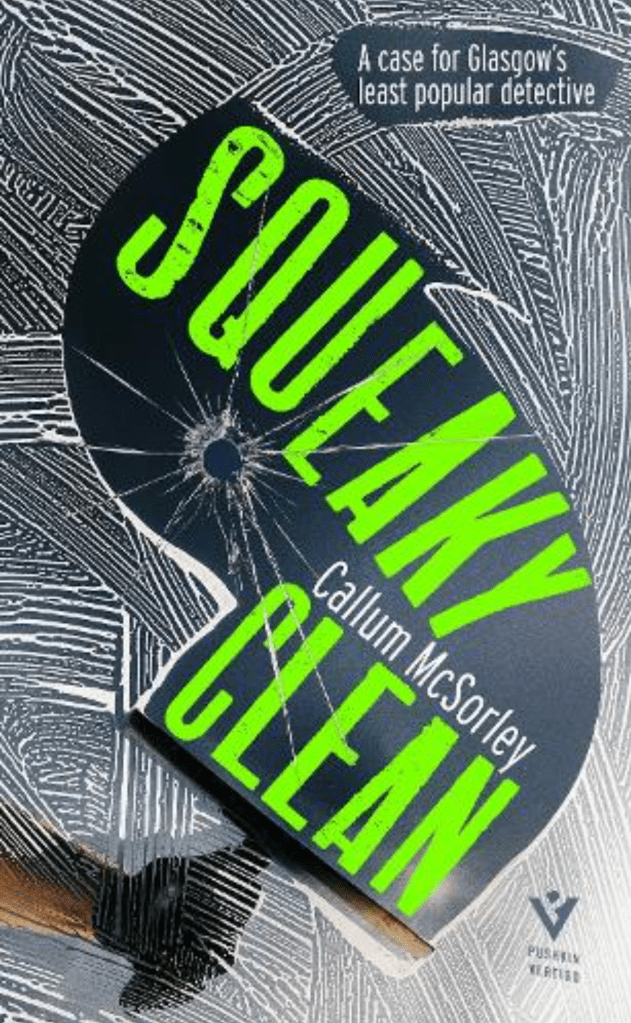
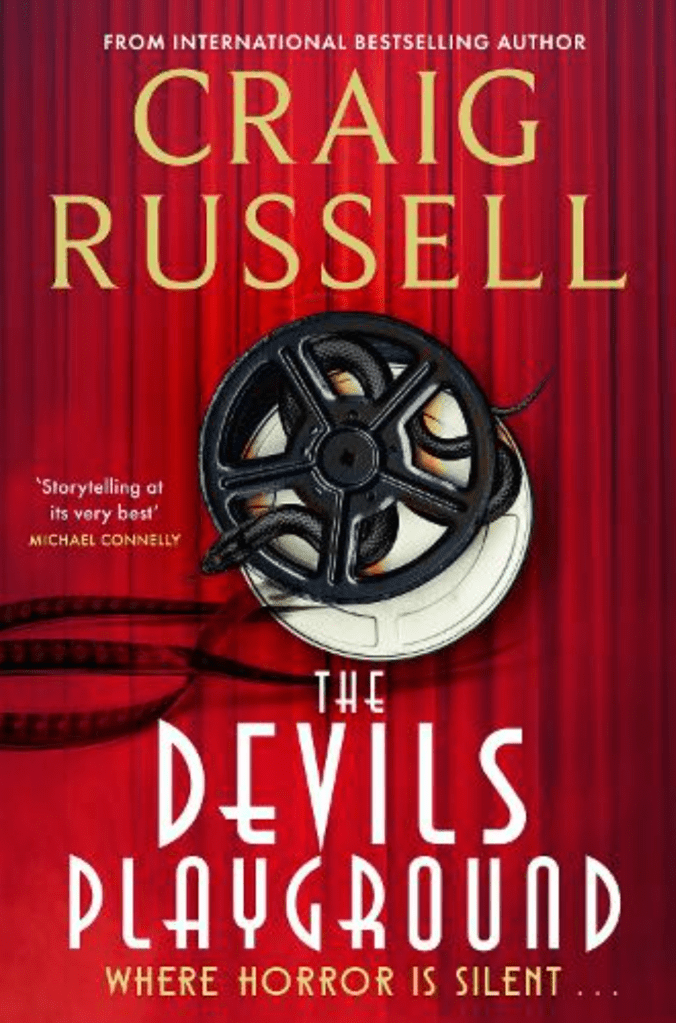
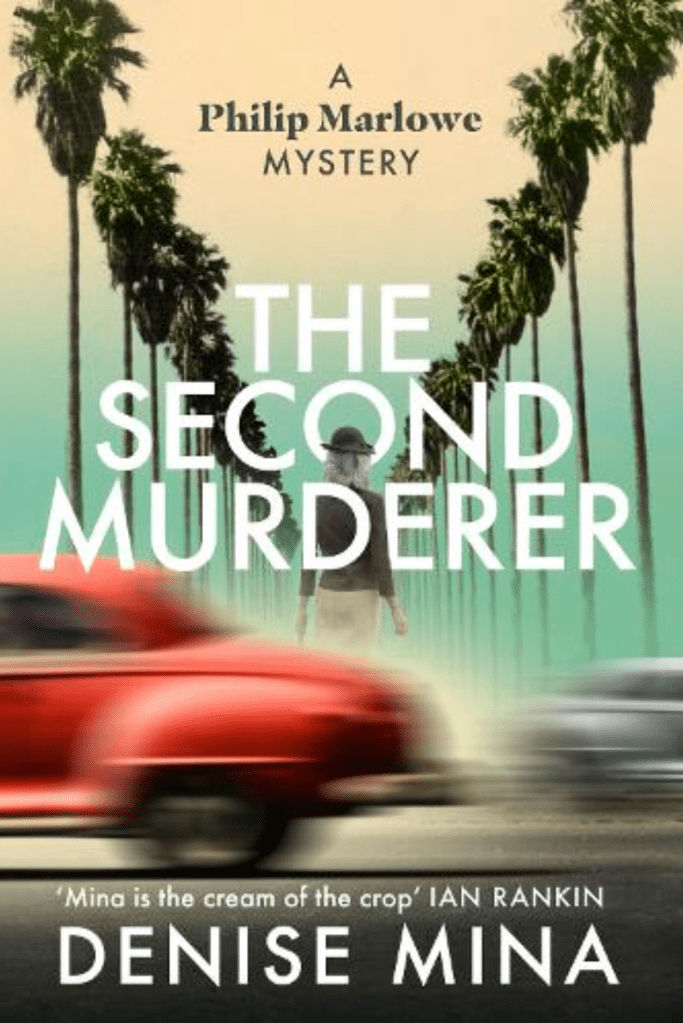
Bloody Scotland International Crime Writing Festival today reveals the finalists for the McIlvanney Prize 2023. Judges for the McIlvanney Prize 2023 – BBC Scotland presenter, Bryan Burnett; former editor of The Sunday Times Scotland, Jason Allardyce and Category Manager for Waterstones, Angie Crawford – are unanimous in their praise for all four books: Callum McSorley – Squeaky Clean (Pushkin) – ‘A wonderfully rich and funny new voice in Scottish crime. McSorley has created characters you invest in and plot that keeps you hooked right from the start.’ Denise Mina – The Second Murderer (Vintage)– ‘Seriously stylish and oozing with attitude, this Philip Marlowe mystery is an exquisite read.’ Robbie Morrison – Cast A Cold Eye (Macmillan) – ‘A story inhabited by brilliantly drawn characters. Not just a crime novel but a vivid and immersive account of life in Glasgow in the 1930s.’ Craig Russell – The Devil’s Playground (Little, Brown) – ‘Mesmerising from the start. Devilishly dark and dripping with menace. A breathtaking masterclass in twisty crime writing.’
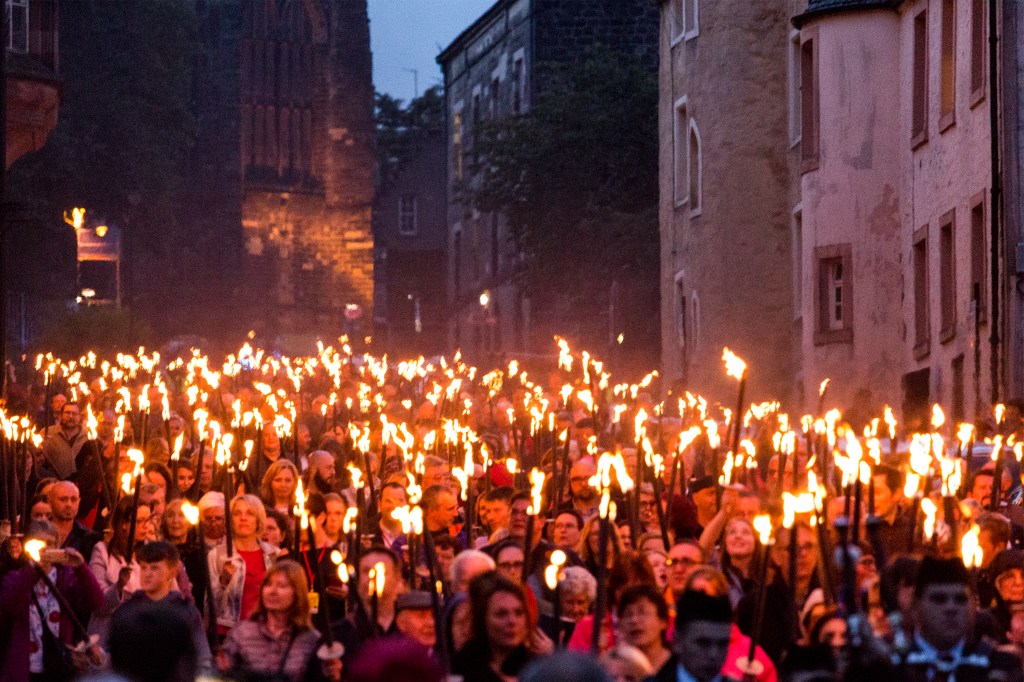
The list features two previous winners (Craig Russell and Denise Mina), a previous winner of the Bloody Scotland Debut Prize (Robbie Morrison) and debut author (Callum McSorley). The finalists, along with the authors shortlisted for the Bloody Scotland Debut Prize, will lead a torchlit procession from Stirling Castle to the Albert Halls on Friday 15 September where the winners of both prizes will be revealed and interviewed on stage by BBC Radio Scotland’s Janice Forsyth.
Both prizes are again sponsored by The Glencairn Glass, Kirsty Nicholson, Design and Marketing Manager at Glencairn Crystal, said: Now in our third year of sponsoring these prestigious awards with the Glencairn Glass, we’re very proud to be a part of this amazing Scottish annual event in the world of crime fiction. We continue to be impressed and enthralled by the talented authors who enter and we wish everyone the very best of luck.
Personally, I am very excited to be going to Bloody Scotland again next week, and joining the criminally good company of writers and readers.
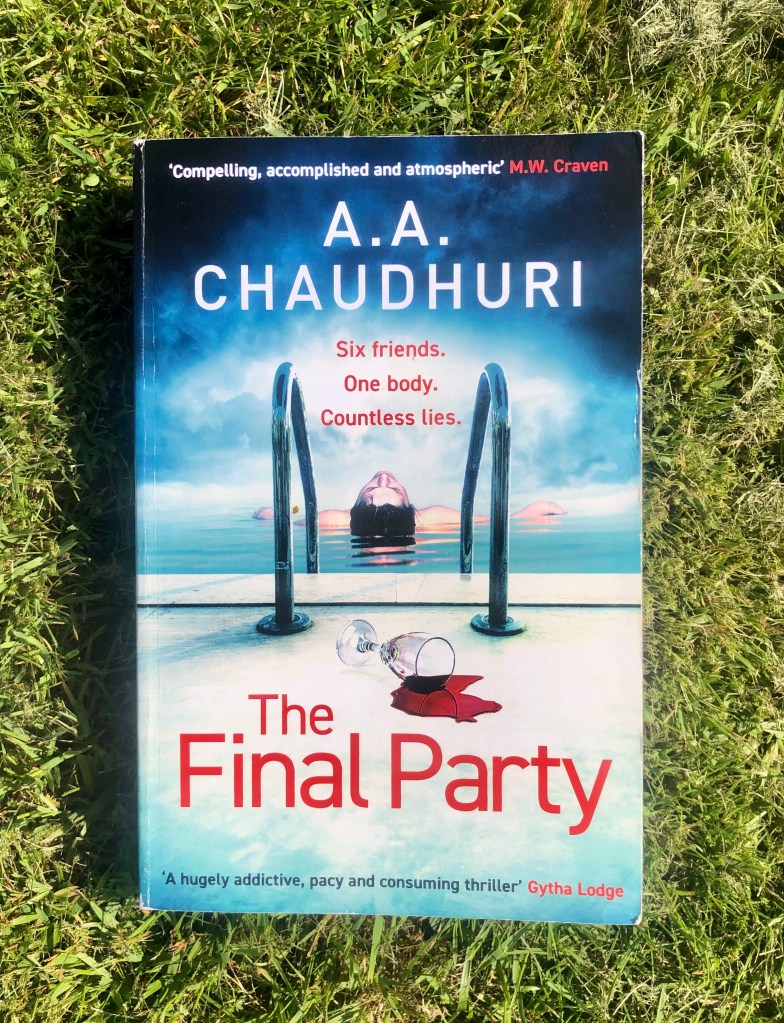
The premise of The Final Party is so very alluring even with the prospect of unease and potential confrontation between friends culminating in witnessing a dead body. But the fabulous Italian scenery! The strong bonds of friendship! Fun in the sun! Cannot be that bad… Accidents happen. Plus, people die of natural causes. However, as it’s A. A. Chaudhuri who is creating this atmospheric setting ripe for painful honestly and conflict, you need to prepare yourself for the emotional rollercoaster of doubts and half-truths.
Six friends meet in a luxury villa set high on the hills above the sophisticated and glamorous Sorrento, in the stunning scenery of southern Italy. The landscapes, the sea views, the nature and the cultural aspects of the place are irresistible. The location is gloriously perfect for a relaxing holiday, a celebration of trust, loyalty and caring for each other, with excellent food, drink and some trappings of luxury. The group cannot believe their lucky stars to be there to celebrate Vanessa’s 40th birthday. Vanessa, or Ness, is a tough high-flying lawyer and the stay at the villa was a gesture of appreciation from one of her corporate clients. Her devoted adoring husband Marcus, stay-at home dad, has planned special perfect touches to make the birthday occasion glorious and unforgettable. Her best friend since childhood, banker Johnny, arrives with wife Lana, and the third couple to join the exclusive trip are Padma, Johnny’s ex-girlfriend, and Nick. They all have known one another since four of them had studied at Oxford, and kept in touch over the years. They had also kept secrets about a dark event nearly two decades ago which caused Padma to lose memory for a week, and subsequent trauma, and which might be connected to the disappearance of a new student Carys at the same time. So, the summer holiday is not just a lovely reunion, but an occasion to come clean about dramatic events that shattered Padma’s confidence and destroyed an opportunity to lead the life she has envisaged.
Ness, weighted with shame and guilt, made a decision to confront the past and to talk about this with others. Johnny doesn’t want to relieve terrible aftermath of a hideous ‘female fresher hunt’ organised by the exclusive male drinking society and designed to catch the prettiest girls at university. But he starts to receive messages from someone who apparently knows everything and threatens to expose him. Lana is full of loathing and regret, and Nick seems to focus completely on his wife’s happiness.
The intense story unravels both slowly and fast (is that even possible?) as told by all six characters who reflect on every tiny emotion and change of mood in the villa, and reactions shown by others, while still clearly affected by the past. They travel back in time to their university days to explain, analyse and understand what had happened. This is an extraordinary process which leads to exposing their deep-seated anxieties and insecurities, and questioning if they could have done anything different. With a firm hand and a repertoire of stylistic writing tools, A.A Chaudhuri leads the reader through the meanders of moral dilemmas which rose from childhood, upbringing, social standing. She paints a searing picture of the British class system and questions privilege at the famous eminent university. The Final Party’s dual timeline gives a terrific insight into the past. In a way every person has a chance to look back and atone for their involvement in a crime that was never officially acknowledged. However, you can also feel that these might be unreliable narrators when their memories come to the fore.
Exquisite plotting, attention to the smallest details and the incredible characterisation of people whose lives intertwined over eighteen years in the dark twisty web of lies. Shattering secrets that have been waiting under the surface of well-established relationships and trust, or what have appeared like that to some of them. The Final Party (Bookshop.org) / The Final Party (amazon) is perfect in its finality of deception. And here is a link to The Doctor Will See You Now series as Dr Noir chats with A.A. Chaudhuri.
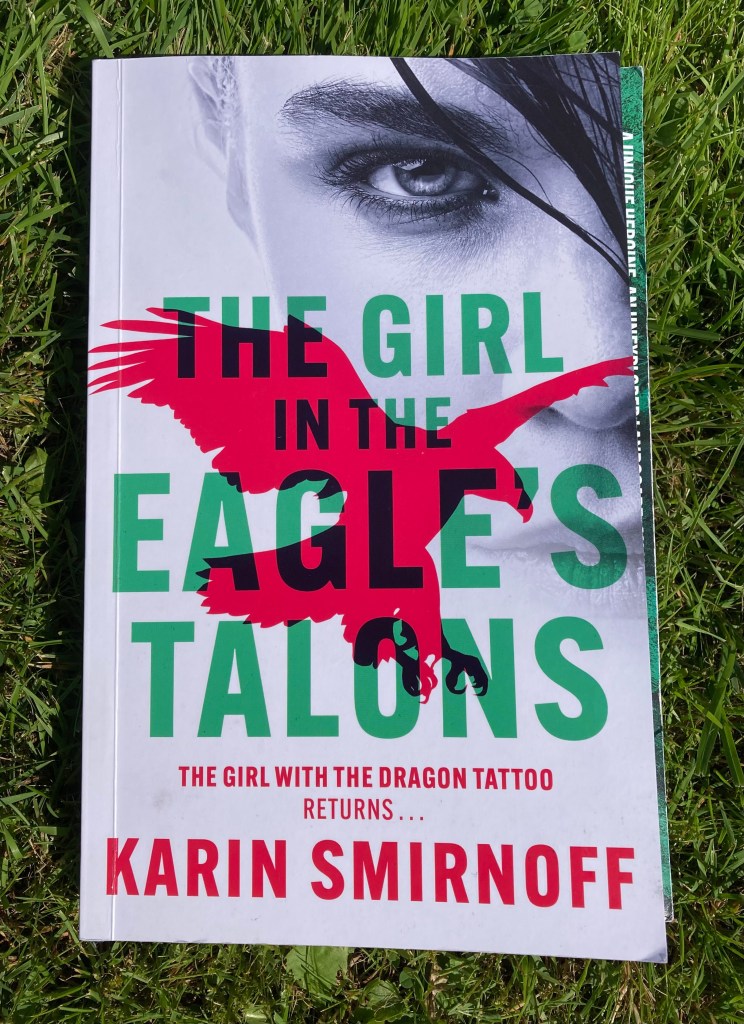
The Girl with the dragon tattoo returns as a grownup woman, independent, running own business and living own life as she wants, in The Girl in the Eagle’s Talons / Havsörnens Skrik. Ferocious, brave and uncompromising as always, this time Lisbeth Salander is thrown into tricky familial situation when asked to look after her thirteen-year-old niece Svala Hirak. Following recent death of the girl’s grandmother and a disappearance of her mother, she travels to the small town of Gasskas in the north of Sweden, and reluctantly takes on a role of her legal guardian. Initially Lisbeth and Svala are like the opposite poles of two magnets: distrustful, sceptical and cynical until they begin to connect, which of course is a very slow gradual process with many dangerous hammers thrown in the works. The gifted teenager, ‘a loner who fights when she has to’, was often ‘used’ by the local gangsters to crack open safes, and threatened to pay for her mother’s debts, whatever they might be.
Mikael Blomkvist heads off to the same place to visit his daughter Pernille soon to be married to a local politician Henry Salo. He’s reflecting on his forthcomings as a father and contemplating own professional future as the Millennium magazine ceased to exist in print and now will be a podcast. The new medium does not appeal to Mikael at all. However, his journalistic instincts awake as soon as he smells an investigation search forming in his head after getting to know his soon-to-be son-in-law. It’s clear the head of council has his fingers in many dubious enterprises and hides shameful past.
Hovering over these two semi-personal plots is the modern problem of the climate change and the fight for control of the natural resources in that part of the country, with the criminal underworld leading the conquest. Several main parties are interested in investing and developing a huge wind turbine project, apparently for the community’s benefit. It seems though that the ambitious venture will bring profits for the international and home-grown baddies only. The main abominable villain wheelchair-bound Marcus Branco kills and rapes for pleasure, while his team kidnaps and terrorizes anyone who might stand in the way. Children are not immune.
Characters from previous Millennium novels make an appearance in the form of references or as actual players. Brutal Ronald Niedermann, Lisbeth’s half-brother and Svala’s father, remains in the memories and in the lingering questions about his murder, and as donor of the genetic gift passed to his daughter, also impervious to pain. Luckily she is also incredibly intelligent and kind. Erika Berger, Millennium’s editor-in-chief and Mikael’s on-and-off lover, is on the outskirts of thoughts. Others are not welcome in the lives of Lisbeth, Svala and Mikael yet have no intention to disappear as they mark new grounds. Svavelsjö MC, or ‘Sea of sulphur’ motorcycle gang that spreads its nasty tentacles into the Northern Sweden, gets involved in shady ‘protection’ business, and follows anyone that throws money and scraps of power in their direction.
With the nods to the previous iconic books by the legendary Stieg Larsson, published posthumously after his sudden death in 2004, and then by his continuator David Lagercrantz (The Girl in the Spider’s Web), and the solid background, Karin Smirnoff maintains the tradition of the Millennium series devised to consist of ten books. She builds on ‘Larsson’s core themes, such as violence, abuse of power, and contemporary political currents.’ Her strong vivid style carries the story of greed, conspiracy and betrayal in the cold snowy wilderness with the old enemies and the new fears. The thriller’s focus on environmental exploitation and underlaying social problems is told from different perspectives, from the invisible ‘cleaner’ to the people in power, both in the official capacity to make laws and from those on the illegal side of the fence. It is not a comfortable read but engaging and intense, nevertheless. Lisbeth and Mikael are recognisable and well portrayed in the new circumstances, though the investigative journalist has lost some of his daring spark. More reflection takes place in their minds, and getting close into their families’ issues makes them uneasy but I feel that the old ‘chemistry’ is still there, behind the screen. Svala comes to the fore with her reasoning, logic and vulnerability and I would hope that her future is lighter than that of her antisocial hacker aunt’s.
Special kudos to Sarah Death who translated The Girl in the Eagle’s Talons making this book the first, in series of seven, with two female creators. Excellent smooth translation of the work that is difficult and full of brutality yet flowing and engaging at the same time. The wild sea eagles, although not directly involved in making of human drama, suffer consequences, left a long-lasting memory for me.
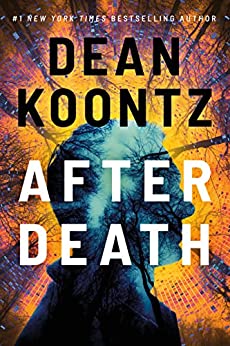
Michael Mace, head of security at a top-secret research facility, working on weirdly named Beautification research Project, opens his eyes in a makeshift morgue twenty-four hours following an event in which fifty four people perished – including him and his best friend, Shelby Shrewsberry.
Having awakened with an extraordinary ability unlike anything he – or anyone else – has ever imagined, Michael is capable of being as elusive as a ghost. He sets out to honor his late friend by helping Nina Dozier and her son, John, whom Shelby greatly admired. Although what Michael does for Nina is life changing, his actions also evoke the wrath of John’s father, a member of one of the most violent street gangs in Los Angeles.
But an even greater threat is descending: the Internal Security Agency’s most vicious assassin, Durand Calaphas who will stop at nothing to get his man. If Michael dies twice, he will not live a third time.From the tarnished glamour of Beverly Hills to the streets of South Central to a walled estate in Rancho Santa Fe, only Michael can protect Nina and John – and ensure that light survives in a rapidly darkening world.
A modern-day Lazarus is humanity’s last hope in a breathtaking novel about the absolute powers of good and evil by Dean Koontz, the #1 New York Times bestselling master of suspense.
Slick style, quick pace. Very enjoyable and scary adventure into the world of political and social corruption, propelled by high octane writing. Gangster talk versus thoughtful musings about the state of the world. After Death is about technology and it’s impact on absolutely everything and the humanity; it’s full of complicated yet exciting terminology which made me stop and consider what might come next to us as the science constantly evolves.
The story is told mostly from four points of view, with each person using different language to emphasise their take on the situations they’re in. A couple of them are very uncomfortable to read which is not a surprise as both the ICA agent Durand ‘the manageable sociopath’ Calaphas and the bigtown gangster Aleem ‘life is war’ Sutter are as nasty as they come. ‘Cruelty, brutality, and murder are essential to these men’s business model,’ Aleem’s views are revolting, especially his hatred of women. Calaphas has no capacity for decent human emotions. Although both men are terrifying and frankly unpleasant to endgame with, I could appreciate how Koontz skilfully changed and adapted language and specific tone of conversations. He developed dialogues to suit these characters and to keep increasing tension when they were voicing their opinions, making plans and dealing with own overgrown egos. Except that they didn’t consider themselves self-centred. In stark contrast to the unsettling mood presented by these two, working separately, people on the good side of the spectrum were more reflective, reasonable and yes, good, kind, hopeful. It brought the real war between evil and good to the fore. Nina, shaped by her youthful experiences, and regretting ever getting involved with Sutter, is determined to protect teenager John and keep him on the right path. She succeeds at huge emotional cost, especially in the face of terror of his father wanting to snatch and turn him into one of his ‘homeys’. That would be the end of any goodness. Michael ‘Jean Valjean’ Mace, constantly surprised by coming from the dead, being alive again and his new abilities to find, evaluate, process and adapt huge amounts of data, fights to save mother and son, and focus on the right way to use his new extraordinary powers: ‘He insists he is no messiah, no anointed redeemer, nothing more than a guy who was in the wrong place at the wrong time when, in the midst of catastrophe, one thing went right. He recognizes the corrupting nature of power and the need for humility to avoid becoming one more monster aligned with those who would consign most of humanity to bondage.’ All in the memory of Shelby, expert immunologist and great human being, and ultimately in the name of love. ‘The long-anticipated Singularity’ in the form of Michael Mace is a complicated concept to understand but a fantastic hero nevertheless.
Intense events of one night ‘a journey from one darkness to another’ test everyone who is involved in the chase, everyone including the reader. But it’s so worth the mix of adrenaline and occasional moments quiet reflection.
Thank you to FMcM for the invitation to join the blog tour for Dean Koontz’s After Death which is out now, published by Thomas and Mercer.
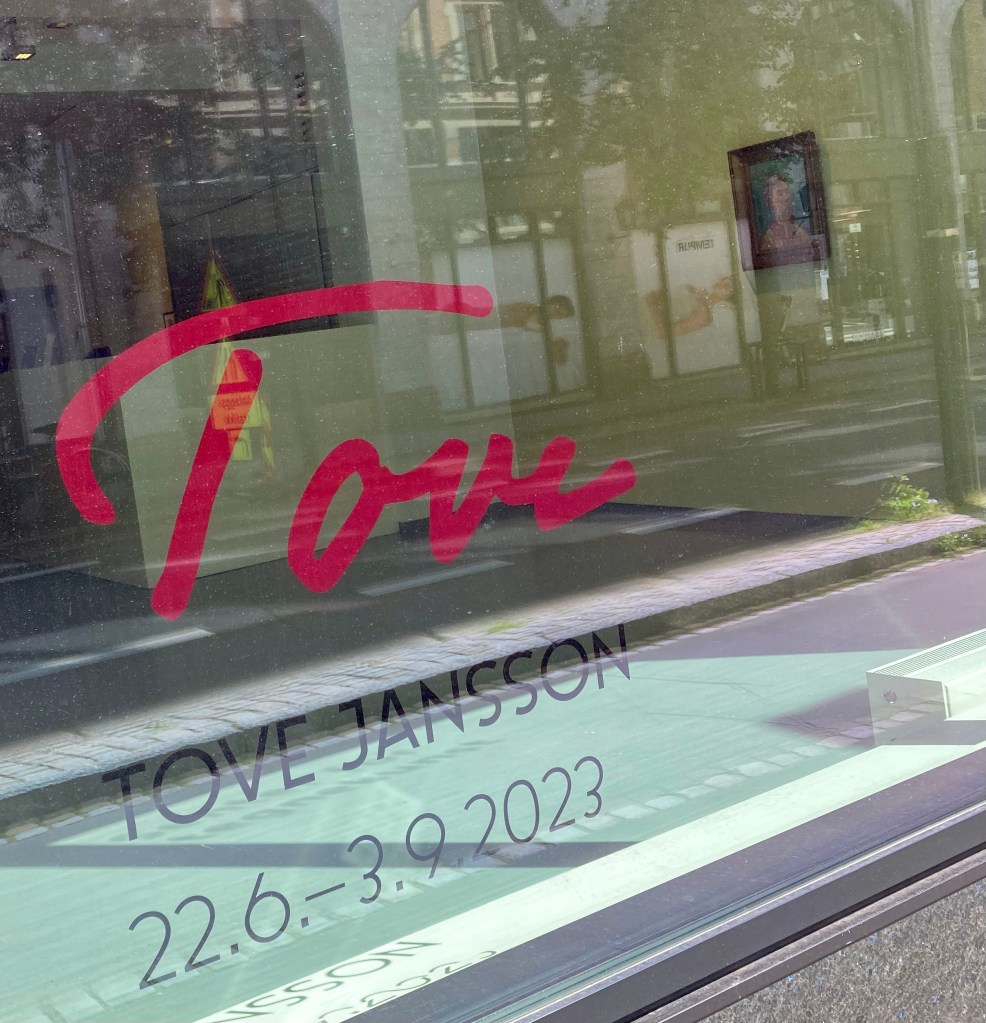
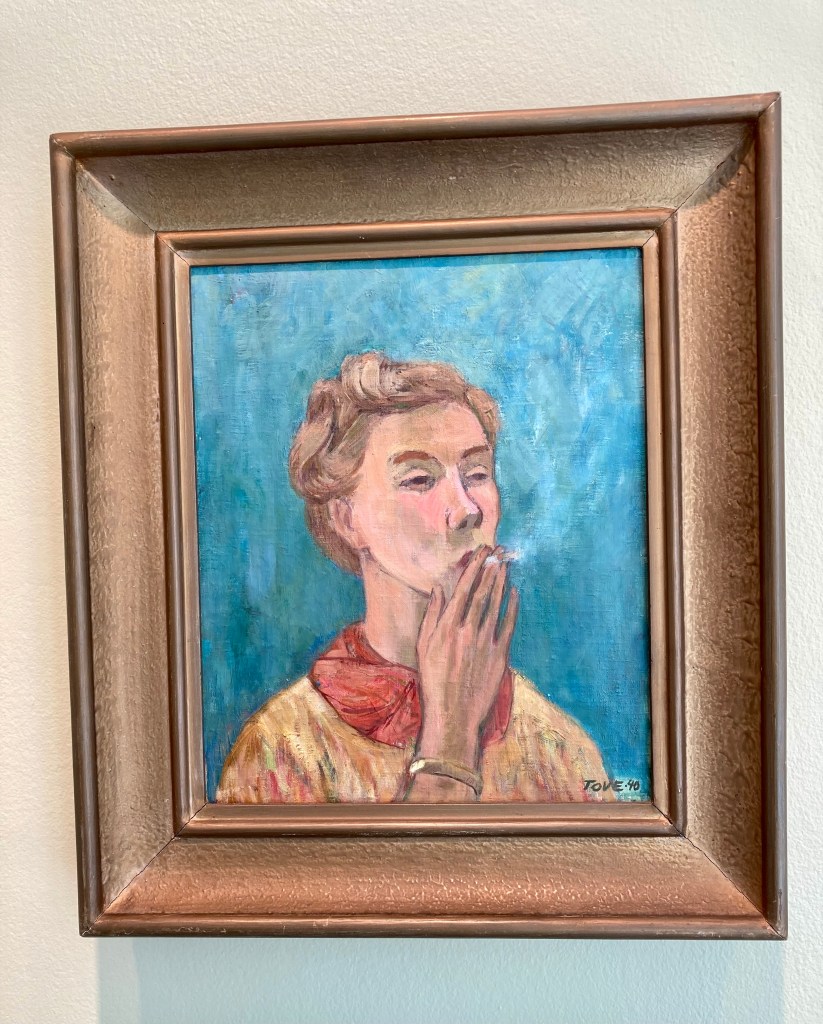
Most of Tove Jansson / Tove Jansson’s exquisite paintings and drawing are so familiar, well-known and easily recognisable yet seeing the originals displayed on the walls made it quite a magical experience. Tove, the first solo exhibition of the artist’s work in Norway, highlights other aspects of her work rather than the Moomin illustrations that became hugely popular around the world.
Photographs are mine.
However, text below is taken from the press release issued by Tegnerforbundet / The Norwegian Drawing Center which presents the first solo exhibition with Tove Marika Jansson (Finland-Swedish, 1914- 2001) in Norway. The exhibition, curated by Lene Fjørtoft and Hilde Lunde, and opened until 3rd September, is a collaboration with Moomin Characters Ltd Oy with support by the Norwegian-Finnish Cultural Foundation, and shows a selection of drawings and paintings, with a focus on Jansson’s self-portraits.
‘The artist Tove Jansson
Tove Marika Jansson had an impressive career as a writer and artist. She was active for over 70 years, and also worked as a cartoonist, illustrator and caricaturist. She is best known for having created the Moomin characters, but the exhibition Tove shows that her creativity extended far beyond this universe. She was a versatile and productive artist who constantly experimented and sought new forms of expression. Tegnerforbundet aims to give the public an insight into Jansson’s diverse artistic production. The drawings and paintings depict various themes, including family members, travels abroad, illustrations, commissions and imaginative doodles, all in her distinctly personal style. The self-portraits are a central part of the exhibition, and they show an artist who not only experimented with form and expression, but also took control of her own narrative.
Family and upbringing
Tove Jansson grew up in an artist’s studio in Helsinki, where both her parents worked. Viktor Bernhard ”Faffan” Jansson (1886-1958) was an important and admired sculptor. Signe ”Ham” Hammarsten-Jansson (1882-1970) was an artist and illustrator. The two met in 1910 in Paris, where they were both studying. In 1913 they married, and the following year Tove was born. Tove had two younger brothers, Per Olov Jansson (1920-2019) and Lars Jansson (1926-2000). All three became artists; Per Olov was a photographer and Lars a writer and cartoonist in the Moomin universe. Faffan and Ham created a home where art was an integral part of family life, and Tove Jansson’s childhood experiences and family background undoubtedly influenced her artistic career. The family home was a studio and a workplace, with no distinction between work and leisure. Tove describes her childhood and adolescence in a community with freedom, responsibility, loyalty to family and harmony. The exhibition at Tegnerforbundet displays a bronze sculpture made by Faffan of a young Tove, as well as several works by Ham depicting Tove in her early childhood. These works represent the Jansson family’s close relationships, as well as how the family influenced and shaped each other as members of a creative community. The works in the exhibition also reflect how Jansson interprets and uses members of her family as models.
Tove and Ham
Both parents, Ham and Faffan, played a significant role in Tove’s choice of career and development as an artist. Ham in particular had an impact on her in this regard. As an artist, woman and mother, Ham was an inspiring role model for Tove. Her importance for Tove’s career and development as an artist should not be underestimated, and it is important to recognize the example Ham modeled for Tove. Ham took drawing assignments for the banknote print shop at the Bank of Finland and made illustrations for various magazines and book publishers. Ham provided the family with a steady income, which was unusual at the time. It was Ham who taught Jansson to draw and who shared her contacts in the business with her daughter so that she got work. Jansson organized her early career around her mother and from the early 1940s she worked as an illustrator for the satirical magazine Garm. This was work that was passed down directly from mother to daughter. Jansson worked actively for Garm for 15 years, a magazine that published over 600 of her drawings.
Self portraits
A recurring theme in Janssons oeuvre is self-portraits; drawings in pencil and charcoal, small sketches in diaries and letters, as well as large portraits in oil. Jansson never wrote an autobiography. The closest equivalent is the novel The Sculptor’s Daughter / Billedhuggerens datter (1969), which contains biographical content. It is the self-portraits that make up the artist’s own visual narrative. Several self-portraits are displayed in the exhibition. The earliest is from 1937 when she was 23 years old. In this early phase of her career, the self-portrait was a means of exploring and staging an artistic identity. The last self-portrait from 1975 is one of Jansson’s last works in oil. The self-portrait was a means of experimenting with different styles and techniques. How Jansson portrayed herself was not a random process; it was an artistic assessment. The self-portraits reveal an artist who was both self-deprecating and serious, and they reflect the complexity of her personality. Through her self-portraits, she explored different identities, told personal stories and claimed her place in the art world.’
‘…As a woman, she was brave if you think about how she presented herself in the late self-portraits, which became more raw and vulnerable and unfiltered. She dared to show that you get older.’
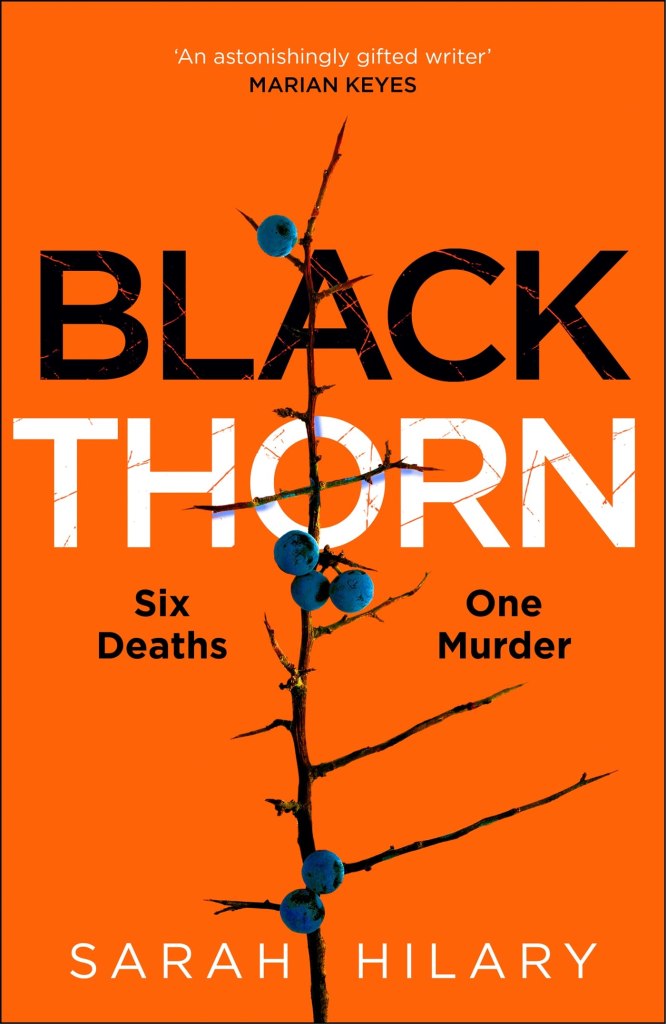
Blackthorn Ashes was meant to be their forever home. For the first six families moving into the exclusive new housing development, it was a chance to live a peaceful life on the cliffs overlooking the Cornish sea, safe in the knowledge that it had been created just for them. But six weeks later, paradise is lost. Six people are dead. And Blackthorn Ashes is left abandoned and unfinished, its dark shadows hiding all manner of secrets. One of its surviving residents, Agnes Gale, is determined to find out the truth about what happened. Even if that truth is deadlier than she could have ever believed possible.
Let’s think of the logical evidence first: ‘Blackthorn Ashes was exclusive, that’s what he’d heard. Being built in stages to spread the expense, and to talk up that exclusivity. By the end of the year, eighteen houses would be perched on the cliff, the sea’s salt eating away at fancy floor-to-ceiling windows and white stone walls.’ Yet the environment decided to disregard these plans. ‘All the people were gone. Twelve half- built houses at the bottom of the estate were shrouded in tattered plastic. Each of the finished houses was a museum. The families left fast on the day of evacuation, no time for removal vans or bubble wrap and boxes.’
I’m pragmatic, rational and impulsive, with loads of working experience relating to the building regulations, planning applications etc I also believe in trolls and elves. Some things are solid and tangible and that’s how we always want them to be. No doubt, and no destruction. Take a house for example. Must be strong and safe. With a lovely garden. And surrounding properties that offer peace and quiet. Good neighbours are a bonus. No drama. And when you have your house then you will turn it into a home, and your family can sleep soundly. Because all is sorted and you are a proud provider, a protector. For Adrian Gale, from the sales team working on this project, that was the ambitious dream goal. Yet as the events before and after the abandonment unfold, he falls into a black hole as he realises that nothing can be real when nature and the past makes claims on logic.
His daughter Agnes focuses on what some people might call supernatural or unknown, and follows her intuition, sixth sense… She was back home after eleven years away, after losing her partner and lover Laura and a job in London. Aged nearly thirty she perceives the world and interacts with people in a different subtle manner, while navigating personal disaster unfolding around her, bringing back secrets and lies, and painful memories. All this while also trying to remember ‘You’re autistic, not contagious’. Laura’s return to the family’s fractured nest unsettles thirteen-year-old Christie who became used to being treated as the only child. The boy does not enjoy his nearly forgotten sister’s uncomfortable emotions; the premonition that something strange is happening at the Ashes. Not so subtle clashes between practical approach to building a housing estate and the sinister stuff affect their mother Ruth who swings between anger and despair, valiantly fighting for their future.
Sarah Hilary has a unique talent to look at the ordinary, and even the mundane, and see the invisible layers of truth hiding in the everyday things. Just like in her previous novel Fragile, equally gothic and unnervingly real, set in the central London, she takes on a certain backdrop or a location and transforms it into an eerie realism, often unsettling and disturbing, and leaves the reader wondering and feeling emotionally wrenched and overwhelmed. In a daring and moving way, I hasten to add. She is tough on her protagonists, too. They are not allowed to rest, or to run away from the situation that brings pain, questions, uncertainty. They have to process and understand what has happened to them and to their loved ones, and to the world around them. Hilary challenges memories, feelings, opinions and beliefs in the name of love because how else could she allow Gales to find some kind of solution and a way out of the trauma? She creates such powerful rich and striking characters to allow us and herself to comprehend and to empathise with the Gales family: broken, hurting, desperate to feel safe and loved; an epitome of ‘Everyone was running from something that bored or trapped or threatened them.’ They were not the only ones, though.
Am I too vague? Perhaps. Black Thorn (Bookshop.org) / Black Thorn (Amazon) was published on thirteenth of July, and that in itself is already quite spooky. A psychological thriller of unique beauty, dipping in and out of magical realism, with nods to Scandinavian mythology (ash is the tree of life), Celtic mythology (blackthorn is symbolic of protection and the overcoming of obstacles for a better future), and the Japanese concept /word of Akiya or empty houses. Sarah Hilary brings all these motives together and lays bare her soul: ‘The earth tells stories.’
Today Capital Crime launched the second ever Fingerprint Awards, designed to champion the very best in crime writing from across the globe published in 2022, as voted for by readers. Authors both new and established are represented across the categories, which are: 1. Crime Novel of the Year, 2. Thriller Novel of the Year, 3. Historical Crime Novel of the Year, 4. Debut Novel of the Year, 5. Audiobook of the Year, and 6. Genre-Busting Book of the Year.
Readers can vote for their preferred winners in each category on the Capital Crime website by Monday 7th August. The winners will be then announced from 7.30pm on Thursday 31st August, at a special ceremony as part of Capital Crime 2023, at the festival’s fantastic new home at the Royal Leonardo Hotel, in the shadow of St Paul’s Cathedral.
Bestsellers Lisa Jewell and Elly Griffiths lead the Crime Book of the Year shortlist with The Family Remains and Bleeding Heart Yard respectively. They are joined by M. W. Craven, author of The Botanist; Ruth Ware, author of The It Girl; and Anthony Horowitz, author of The Twist of a Knife.
On the Thriller Novel of the Year shortlist A Good Day to Die by Amen Alonge and Truly Darkly Deeply by Victoria Selman are up against Kellye Garrett’s Like a Sister, Jack Jordan’s Do No Harm and GillianMcAllister’s British Book Award-shortlisted Wrong Place Wrong Time.
CWA Dagger-shortlisted authors Vaseem Khan and Anna Mazzola are both shortlisted for the Historical Crime Novel of the Year for The Lost Man of Bombay and The Clockwork Girl, alongside the critically acclaimed Shrines of Gaiety by Kate Atkinson. Also shortlisted are Miss Aldridge Regrets by Louise Hare and A Fatal Crossing by Tom Hindle.
A Fatal Crossing by Tom Hindle is also shortlisted for the Debut Crime Novel of the Year, alongside Death and the Conjuror by Tom Mead, Wahala by Nikki May, That Green-Eyed Girl by Julie Owen-Moylan and The Maid by Nita Prose.
The Genre-Busting Novel of the Year shortlist, set up to recognise a book that defies traditional genres and boundaries of crime fiction, features Suicide Thursday by Will Carver, The Skeleton Key by ErinKelly, Wild and Wicked Things by Francesca May, The Houses of Ashes by Stuart Neville and The Cartographers by Peng Shepherd.
Leading the Audiobook of the Year shortlist is global bestselling sensation Robert Galbraith, for Ink Black Heart. Also shortlisted are the critical successes The Twyford Code by Janice Hallett, Better the Blood by Michael Bennett, The Skeleton Key by Erin Kelly and One Last Secret by Adele Parks.
The advisory board, consisting of authors, bloggers, journalists and leading industry figures have chosen a shortlist of five nominees for each category. Crime and thriller fans will now be given the power to decide who should be recognised for their work via the Capital Crime website. In addition, two further categories will be selected solely by the Capital Crime Advisory Board; the Industry Award of the Year – recognising the best marketing campaign, editorial work, or publishing strategy; and the Thalia Proctor Lifetime Achievement Award – marking an outstanding contribution to the crime writing industry.
Capital Crime co-founder and Goldsboro Books managing director, David Headley, said: ‘We set up the Fingerprints Awards to celebrate the very best of international crime writing, and crucially, to celebrate the readers who make everything we do worthwhile – and possible. 2022 saw some truly incredible, unique and enthralling crime fiction of all kinds published, from Erin Kelly’s spellbinding The Skeleton Key to Vaseem Khan’s transporting The Lost Man of Bombay; and Lisa Jewell’s gripping The Family Remains to the unstoppable debut The Maid by Nita Prose. What a spectacular year for crime fiction! We had some very lively discussions narrowing down the shortlists – now to the readers to pick the winners!’
The inaugural Fingerprint Awards, hosted last year at Capital Crime, saw Sarah Pearse named Crime Book of the Year 2021 with The Sanatorium, S.A Cosby named Thriller of the Year 2021 with Razorblade Tears and Laura Purcell named Historical Crime Book of the Year 2021 with The Shape of Darkness. Abigail Dean was named Debut Book of the Year 2021 for Girl A and The Girl Who Died by Ragnar Jónasson, narrated by Amanda Redman, won Audiobook Book of the Year 2021. The Industry Award of the Year was awarded to HarperCollins for Girl A, and the Lifetime Achievement Award was awarded posthumously to Thalia Proctor.
Across three days, Capital Crime 2023 promises a weekend full of fun, innovation and celebration of crime fiction, bringing together readers, authors, industry figures and the local community for the first major literary festival held on the site. Over 100 leading voices from crime fiction will be taking part in a range of panel events for attendees, including Richard Osman, Kate Atkinson, Richard Armitage, Dorothy Koomson, Sally Wainwright, Yomi Adegoke, Peter James and Joanne Harris. The full programme was announced on Tuesday 27th June, and can be found here.
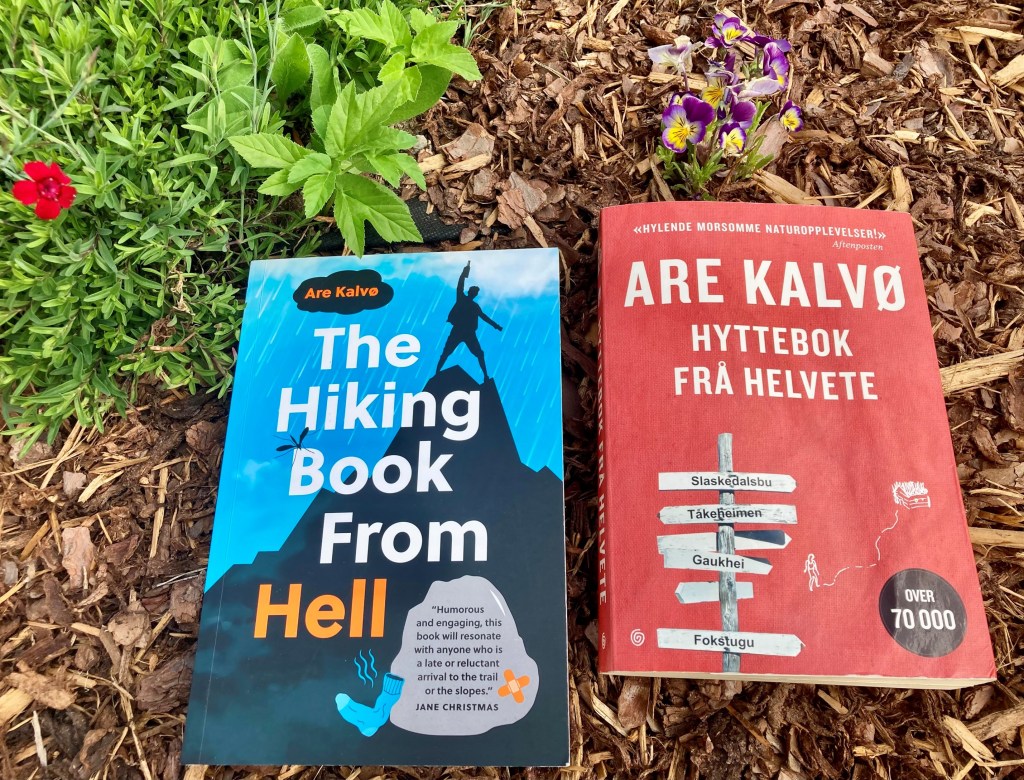
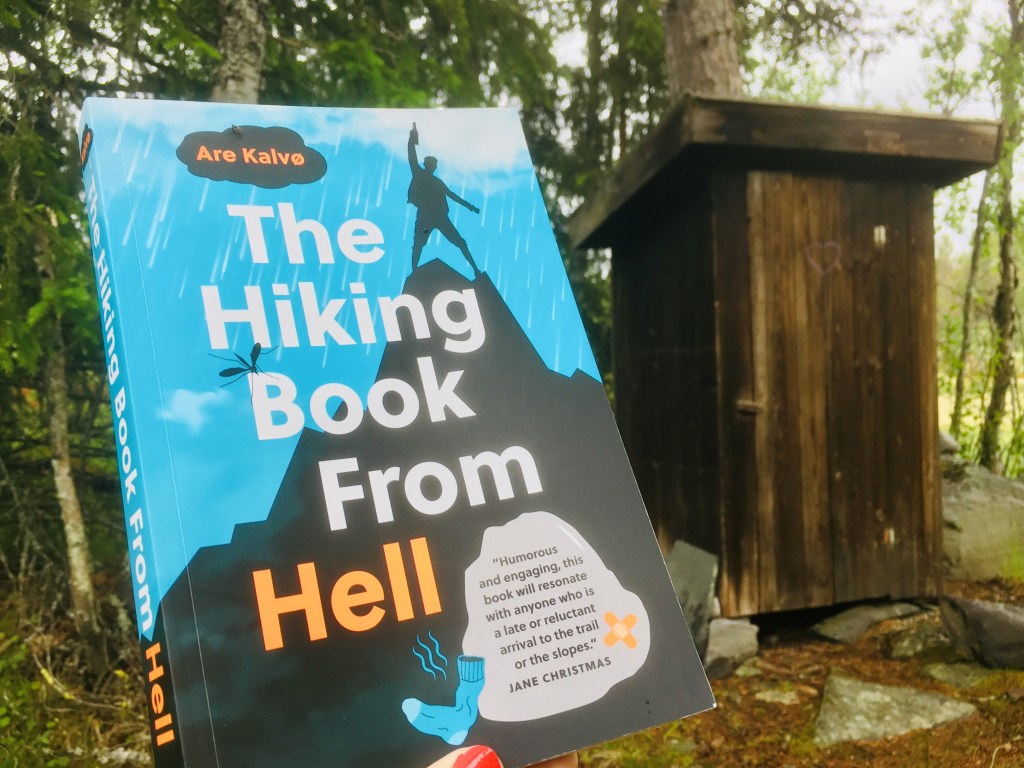
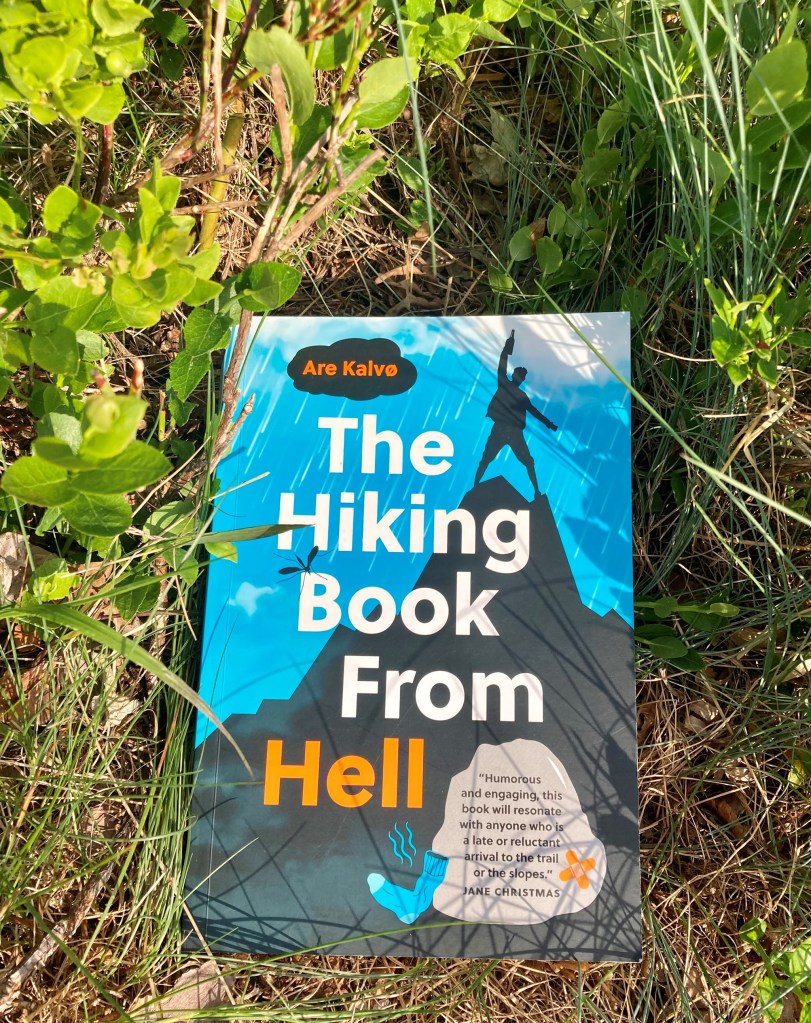
Sitting outside in the shade and reading The Hiking Book From Hell / Hyttebok frå helvete I am and feel really close to the nature. Seagulls screaming their heads off above me, mosquitoes having a huge hectic meeting around me. Dry grass, hot air, not a drop of rain; exhausted spiders. Not a mountain in sight but plenty of mountainous talk and thoughts in Are Kalvø’s love / hate (or is it indifference at first?) letter to the Norwegian nature which is here symbolised by hills, peaks, hiking, walking, reaching and admiring mountains. Are Kalvø, one of Norway’s leading comedians and satirists, has worked in standup for over twenty-five years. He has produced prize-winning musicals, reviews, an opera, and almost a dozen books. He often writes about things he doesn’t know much about. This is the first time that he is also writing about something he doesn’t understand. Even though he grew up in the picture-postcard perfect beauty of Western Norway he never became a true man of nature. He moved to the city, embraced the new urban life, and never looked back: ‘City folk go out into nature to find inner peace. Country folk go out into nature to shoot things.’
‘Sometime around his forties, Are Kalvø starts losing his friends… to the mountains. Friends who used to meet him at the pub are now hiking and skiing every weekend, and when they do show up, all they talk about is feeling at one with nature (without a hint of irony). When Are realizes he’s the only person who hasn’t posted a selfie on a mountain, he starts to wonder: does he have it all wrong? To find out, Are buys some ridiculously expensive gear and heads into the woods. The result of his sardonic trek is at once a smart and funny take-down of outdoors culture, and a reluctant surrender to nature’s undeniable pull.An adventure, a comedy, and a tragedy.’
Before I try to encourage you to read this book (not an example of crime fiction though death occurs in the hills, too), published by Gresytone in 2022, I must say that it seems as the translator Lucy Moffatt had much fun while working on it. The sentences flow, the words sparkle, the mood of bewilderment and curiosity is present on every page. Not to mention various nerd-type facts and opinions. I have heard the author in action, on TV only, and I bet your high quality be-all and end-all hiking boots and the latest ‘air transport’ jacket that his Norwegian voice and mannerisms are conveyed in English in the most authentic manner. I couldn’t stop laughing; questioned his comments, agreed with his reasoning, kept checking the map of Norway, and wondered where exactly he is going with his quest to understand the national hiking passion. A passion that represents one of the fundamental values in the Norwegian psyche. At first Kalvø doesn’t really care about outdoors: ‘There are three things in the world I really struggle to understand. Religion. Hard drugs. And outdoor life.’ He is not keen on carrying tons of trekking equipment and staying in rustic (obviously) uncomfortable cabins with weird names, then he decides to find out and explore the near-mythical feeling that apparently is then interpreted into loads of inspirational quotes and breathtaking photos on Instagram. He realises that yes, nature is indeed stunning and powerful. But you will have to dig into the experiences he describes, hour by hour, kilometer by kilometer, and which show the modern Norway in its most classic phase which has been developing in the last thirty to forty years.
I could quote whole witty and sensible passages. And I will… but not much. Just think about this Svalbard summary: ‘And let there be no doubt whatsoever about this: it was much more fun telling people about the dogsledding trip at the pub than it was actually being on the dogsledding trip. Snow I’ve seen before. Dogs too. And uncoordinated people in big quilted snowsuits. I live right next door to a kindergarten.’
Loo in the backgroundReindeer skinBlueberry plants
Have you heard of Jotunheimen? The mountainous area of roughly 3,500 square kilometres in southern Norway is part of the long range known as the Scandinavian Mountains. Twenty-nine highest mountains in Norway are all located there, including the 2,469-metre tall mountain Galdhøpiggen. Jotunheimen is THE Holy Grail for the hikers and the nature lovers, and I want to go there, too. I already have super comfortable old hiking boots. This plan from Kalvø’s The Hiking Book from Hell will be useful to remember:
‘1st attempt to Jotunheimen in search of salvation. Purpose of the trip:
Find inner peace
Realize how small I am
Experience something that’s difficult to explain
Feel a desire to raise my arms to heaven
Find out whether food and drink taste better, and whether views look better, if you’ve walked a long way
Talk to, understand, maybe even like people I meet at cabins with peculiar names’
My introduction to David Bowie came through Let’s Dance album which totally blew me away. This was completely opposite to Paul Burston’s opinion who regards this era in Bowie’s career as nothing so special. Bowie saved his life much earlier… But I lived in a different part of the world and in a different type of society, and was not aware of the various difficulties that punctuated lives of people like him. I listened to the same type of music as a teenager yet I was unaware of any nuances, of all colours, various actions and events and what they could have represented. Poland in the ‘80s was grey, steeped in monochrome aura, and what Burston relates did not sound familiar at all. Was it too insulated?
We all have heard the energising song We Can Be Heroes and used these words to make them fit with what we had to do or wanted to achieve. Burston lives them every single day. I knew of him as a crime fiction writer, and his novel The Closer I Get (Orenda Books 2019), inspired by real-life events, was quite a revelation of twisty unsettling emotions and compulsive behaviours. His autobiography covers all relevant themes of the times; music, art, culture – and activism, politics, social challenges and social changes, and the incredible personal experiences, shaped by the simple fact that he’s gay and acutely aware of what is going on around him, combined with the strong sense for social justice. There are joy and happiness, also pain and shame. Most of all there are passion and honesty: ‘In 2007 I turned forty-two and launched my own literary salon. Polari was the culmination of everything I’d ever done. It was me accommodating my pasts within my persona – drama student, theatre practitioner, activist, journalist, author and shameless exhibitionist.’We Can Be Heroes will resonate with so many readers, will bring memories, and start discussions, whatever their upbringing, identity or sexual orientation. The book opens eyes as the author shares all: blood, sweat and tears. And for that I’m grateful.
Paul Burston is curator and host of award-winning LGBTQ+ literary salon Polari and founder of the Polari Prize book awards for LGBTQ+ writers, based at the British Library. In 2016, he featured in the British Council’s Global List of ’33 visionary people promoting freedom, equality and LGBT rights around the world’. A Rainbow List National Treasure, he is one of the subjects of Alexis Gregory’s critically acclaimed verbatim play Riot Act, which celebrates generations of gay activism from the Stonewall Riots to the present day.
Before turning to journalism, Paul was an AIDS activist with ACT UP London and regularly risked arrest by blocking traffic, occupying the offices of the Australian Embassy and catapulting condoms over the walls of Pentonville Prison. He was arrested many times and stood trial at Bow Street magistrates court, where he was acquitted. He also worked for the Gay London Policing Group, GALOP, taking calls from men who’d been queer bashed or arrested for consensual sexual offences. His first ever commission as a freelance journalist was a profile of trans film-maker Kristiene Clarke. In 1990 he became Gay Editor at City Limits and in 1993 became LGBT Editor at Time Out, where he worked for 20 years, documenting the changing cultural and political landscape. Nominated for a Stonewall Award for his journalism, in 2008 he accepted the award for Publication of the Year for the magazine’s LGBTQ+ coverage. A founding editor of Attitude magazine, Paul’s writing has also appeared in the Guardian, the Sunday Times and many other publications. He has also written and presented documentaries for Channel 4 and is a regular contributor to TV and radio.
We Can Be Heroes is his story of growing up in small town Wales, and escaping to London to find sanctity in the vibrant and growing LGBTQ+ community. But this community wasn’t the safe haven he hoped for, as it became decimated by AIDS. From activist, to journalist, to leading LGBTQ+ literary figure, and everything in between, this is Paul’s candid, revealing and emotional memoir of endurance, time and time again. Emotional but often witty, We Can Be Heroes is an illuminating memoir of the eighties, nineties and noughties from a gay man who only just survived them.
I had thought the view further down had been spectacular, but this was something else. I could see across the whole valley. The trio of mighty glaciers, crowned with ice. The green foothills of the mountains that gave way to the stony valley floor, the river gleaming in the sun. Turning to the south I could see all the way to the coast, a sliver of blue on the far horizon. It was like something from Tolkien. A morbid thought entered my head: when I died, I would be happy to have my ashes scattered here. I’d seen the beaches of Thailand, the forests of California, Tokyo lit up at night from the top of a skyscraper. But this beat all of them.
‘Here,’ Helena said. ‘This is the perfect spot.’
As I’d been marvelling at the beauty around me, Helena had made her way over to the edge of the ridge. Loose rocks lay at her feet; to her left, a boulder came up to her waist.
‘Please,’ I said. ‘Be careful.’
Behind her, the rocks gave way to thin air. Just looking at the drop, at the nothingness beyond the ridge, gave me that feeling in my belly like I’d gone over a bump in the road.
‘It’s fine.’ She held out her phone. ‘Take my picture and then I’ll take one of you.’
I removed my gloves, tucking them into my jacket pocket, and took the phone from her. She stood at the edge of the cliff, facing me. I held up the phone, centring her in the frame, and paused. The backdrop was postcard-perfect, but Helena was still the most beautiful part of this picture. The colour in her cheeks. The pale blue of her eyes. My skin tingled beneath my coat and I felt a little shiver of anticipation, thinking about getting back to the hut, taking off our hats and gloves and—
‘Come on,’ she said. ‘What’s taking so long?’
I smiled to myself.
‘Okay, done,’ I said. ‘Let’s get out of here.’
‘Wait. Let me see.’ She stepped forward and flicked through the pictures. ‘My face looks weird. How can it look weird in all of them?’
‘Helena, your face does not look weird. It’s the exact opposite of weird.’
‘Which is?’
‘Um. Wonderful?’
She rolled her eyes but looked pleased. ‘Can you take a few more?’
I couldn’t shake the sensation of vertigo. The wind was so strong, and the ground so uneven, that although there might not have been any yellow danger signs around, they were flashing inside my head.
‘Please, humour me, okay?’
We were having to raise our voices to be heard above the wind.
‘All right. One more quick batch of pictures and then we go down,’ I said. ‘I don’t—’
‘Fine then, whatever,’ she said. ‘If you don’t want to do it, I’ll take a selfie.’ She marched towards the cliff edge.
I was frozen for a second. Was she being reckless, or was I being a drag? Either way, was it worth our first argument since we’d rekindled our relationship?
‘I’m sorry,’ I said, going after her.
Helena stopped and turned. ‘It’s fine. I just don’t like being told what to do. Lee was always . . .’ She shook her head and said, ‘Come on, take the photo.’
She stepped back up to the cliff edge, a footstep away from the precipice, and turned towards me, the smile back in place, stretching her arms out like Julie Andrews in The Sound of Music. I stood about ten metres away from her, so I could capture some sense of the scale of this place in the photo.
What happened next took no more than three seconds. But looking back, as I sometimes do now when I’m unable to sleep, I see it unfolding in slow motion. The beginning of all that followed.
As I took the final photo, the phone positioned in front of my face, a gust of wind blasted my back, knocking me a step forward. Something black flew into the frame of the camera – one of my gloves; the gust of wind must have dislodged it from where it hung from my pocket – and it flew towards Helena.
She reacted instinctively. She brought her hands in protectively and stepped backwards as the glove flew into her face, one foot stamping on the ground behind her.
The ground, which crumbled beneath her.
And I watched, helplessly, as she vanished from sight.
An ordinary person in extraordinary circumstances and desperate choices that suddenly have to be made. That’s the premise of Mark Edwards’ latest novel Keep Her Secret. Initially I thought the title referred to ‘her’ being kept hidden, then I realised this never-slowing-down thriller indicates Helena’s secrets. As I got pulled into the twisted perilous story, what became obvious was that sharing a secret, especially a deadly one, impacts anyone who finds out about it.
The fairly ordinary people Matthew and Helena met at college. After their short-lived romance ended, they haven’t seen each other for twenty years. School reunion brought them together again, and suddenly the feelings were back. He was single and she was a widow. They were free to start again. The exciting impulse sent them on their first holiday together straight to windswept magnificent Iceland. Cosmopolitan Reykjavik, new landscapes, wild ponies, volcanoes, geysers, Thórsmörk, the Valley of Thor, glaciers, mountain hikes, nice travel companions, romance, solid tour guide, happiness. Then trying to take the perfect photo to remember the moment, and mindlessly stepping from the cliff edge without looking. But luckily the fall into the abyss didn’t happen. Instead, hanging off the rock face, Helena, shocked and scarred, made a chilling confession.
Back in England Matthew couldn’t stop feeling giddy with happiness, even though he had unexpectedly lost his job and Helena’s admission made him feel unsettled. He wants to be with her and at the same time he is horrified by what she has done, and the reasons that had led to a very drastic action. He understands ‘why’ and ‘how’ but is not sure if he really knows her. He has reservations about getting deeply involved. Then again, surely, they can deal with any past and present issues together… However, they didn’t expect that someone overheard their conversation and now plans to blackmail Helena who still lives in a stunning house on the coast, drives Tesla and enjoys all the small luxuries left after her husband Lee’s death. Of course, ‘enjoyment’ is the word used by those who cannot see what’s behind the wall of guilt, grief and pain. Handsome arrogant Lee was also at the same college as the unfortunate post-Iceland Bonnie and Clyde, and notorious for ‘same smirk, that same air of being superior to everyone else’ he had known how to control people.
As Matthew begins to understand what’s happening when Devon (yes! That name is meant to confuse everyone) turns up at Helena’s home, demands money in return for silence, and in the process sends the couple into the down spiral of events that expose their sense of security, their moral compasses, and their reasoning. There seems to be no stopping of new threats and events that like a domino push Matthew and Helena into ever greater danger. Faced with a question whether anyone should approach police and just deal with consequences, no one wants to make that step. Who’s guilty, who’s reasonable? Do people deserve what comes to them?
Flawed characters, complex plots and relentless tension are Edwards’ trademarks and in Keep Her Secret they again create an intense flowing story of trust and betrayal, and of decisions to protect someone we love. Feelings like horror, fear and thrill mix in the unsettling emotional cocktail.
‘Yes, we were compassionate, reasonable people who had found themselves in a terrible mess. We weren’t coldblooded murderers or kidnappers. We were good people. That was why Helena, who kept telling me to get a grip, appeared to be losing her own grip. She wasn’t some cold, calculating killer. This kindness was the real Helena.’
Keep Her Secret is out now. Thank you to FMcM Associates for the invitation to join the blog tour, and for the opportunity to get so stressed and worried about this modern couple.









 Nordic Lighthouse