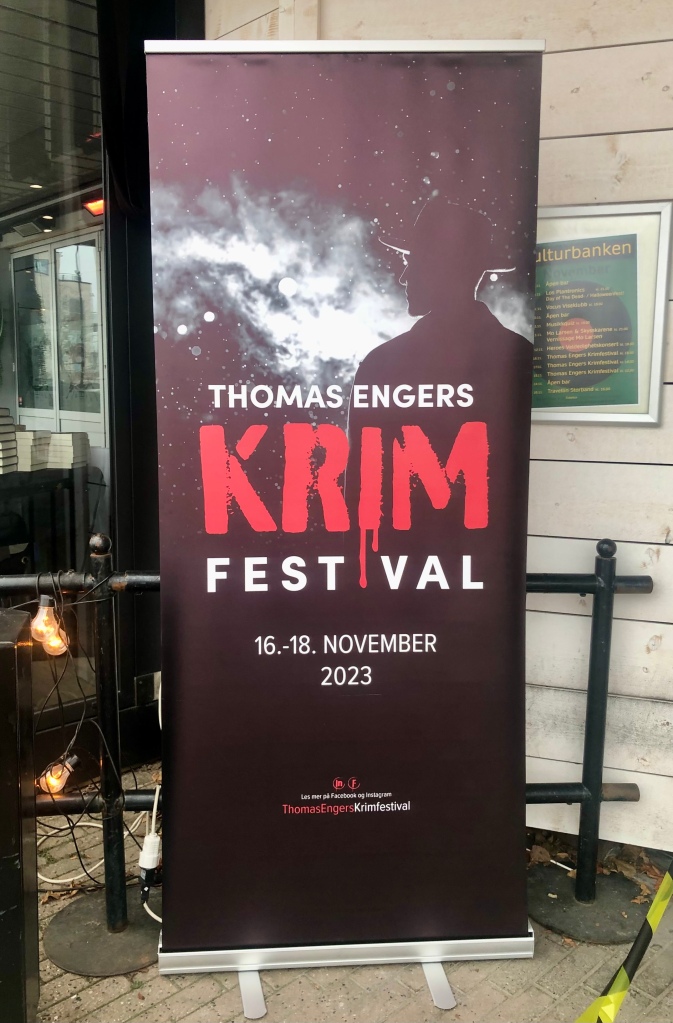
How many people are familiar with the Norwegian town Jessheim which lies round the corner from Gardermoen airport, within easy reach to the capital, and close to the forests – if you feel like searching for dark and mysterious things… However, if you are into a dark, dramatic, murderous and criminally good experience indoors, then Jessheim was the right place to be on a cold snowy and frosty November weekend. I knew that Thomas Enger grew up here and even if he didn’t showcase the exact location in his books, the atmosphere of a small town and the nuances of relationships formed there can be sensed in some of his writing. Then there is Oslo, too. So fast forward (seriously)… and after attending many crime fiction festivals both in Norway and abroad (I had a pleasure of meeting him at Newcastle Noir, CrimeFest, Bloody Scotland and Iceland Noir) Thomas Enger began to think of creating his ‘own’ festival, or rather a re-creating the wonderful experience that writers and readers get from meeting and talking, reading and writing, sharing passion for books. Organising any event takes time, energy and resources, and tons of passion. Thirteen years after his debut and having travelled the world with his books, and I hope I got the number right, the author felt he had an understanding of what readers want from such events when they meet their heroes. The idea of Thomas Engers Krim Festivalwas born long ago and embraced by the local community, with generous support and enthusiasm. Miriam V Owen of Nordic Noir Buzz recently wrote about the origins of Thomas Enger’s Krim Festival. Two packed evenings of conversations and a full day of events took lots of planning; invitations to authors to join the festival were sent and everyone who was able to appear on these days said yes. Yes to Jessheim!
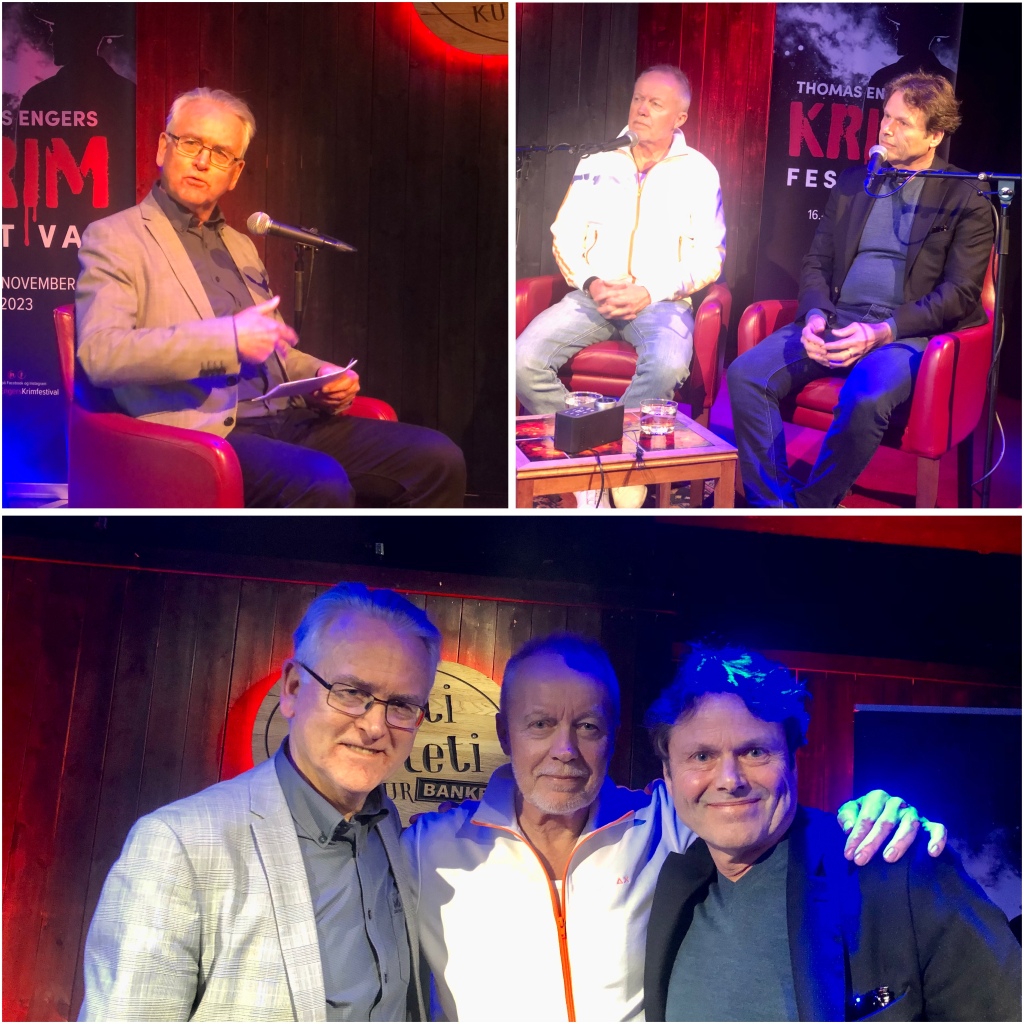
Thomas Enger, Tom Egeland and Myrain Bjerkli
The program (16th – 18th November 2023) was packed with respected names and loved authors, most of them recognised by the English readers also, even if we might still wait for the English translations of their books. The lineup on Thursdays and Friday included stars of the Nordic Noir firmament: Kjell Ola Dahl, Sigbjørn Mostue, Helene Flood, Silje Ulstein, Ørjan N. Karlsson, Ingar Johnsrud, Jørgen Jæger, Chris Tvedt, Jørn Lier Horst, Tove Alsterdal, Jan-Erik Fjell, Derek B Miller (honorary Nordic author), Antti Tuomainen, Sofie Sarenbrant and Gunnar Staalesen.
Quick, so called ‘revolver’ interviews, conducted by Tom Egeland. With Sofie Sarenbrant, Tove Alsterdal, Alex Dahl, Jan Mehlum and Ingrid Berglund
I didn’t go to dinner at the old stylish Herredshuset where magnificent Rein Alexander provided entertainment. I am sure it was a fabulous event judging by the mood present all Saturday in the cosy room of Kulturbanken Kreti & Pleti, smelling of freshly made waffles which seemed to lull us into a false or imagined sense of security while the red and blue lights amplified the unsettling nature of some themes. The top Nordic Noir authors from Norway and Sweden talked about issues and situations they are inspired by, the writing process, the issues and problems they want to expose, the challenges, the pure joy of creating a good engaging novel. It was fantastic to listen to these deep interesting conversations, followed by short sharp interviews conducted by Tom Egeland. It was serious and honest, and inspiring and so tempting to spend even more money at the pop-up bookshop. Because why not? So to summarise Thomas Engers Krim Festival – what a success to put Jessheim on the map of literary events and making people want more books and more close encounters with brilliant authors who create them. So huge thanks to Thomas Enger who made his idea a reality. Same place next year then?
Thomas Enger
Here are some photos from the day. I am happy to have been there, especially as my language skills are getting better and I could talk to Norwegians who are also incredibly good in English. I even understood Swedish! Thank you Norse gods for translations while I’m getting closer to read more Norwegian Noir books in original.
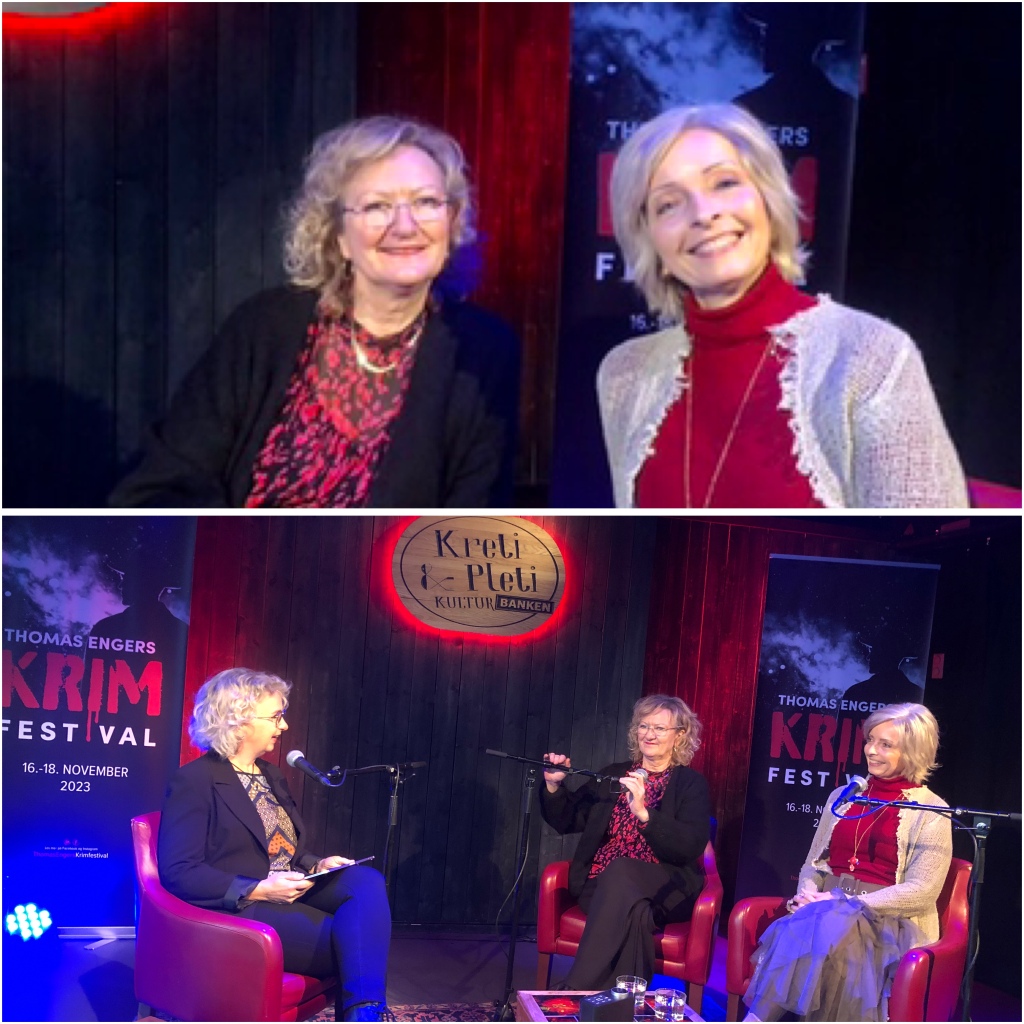
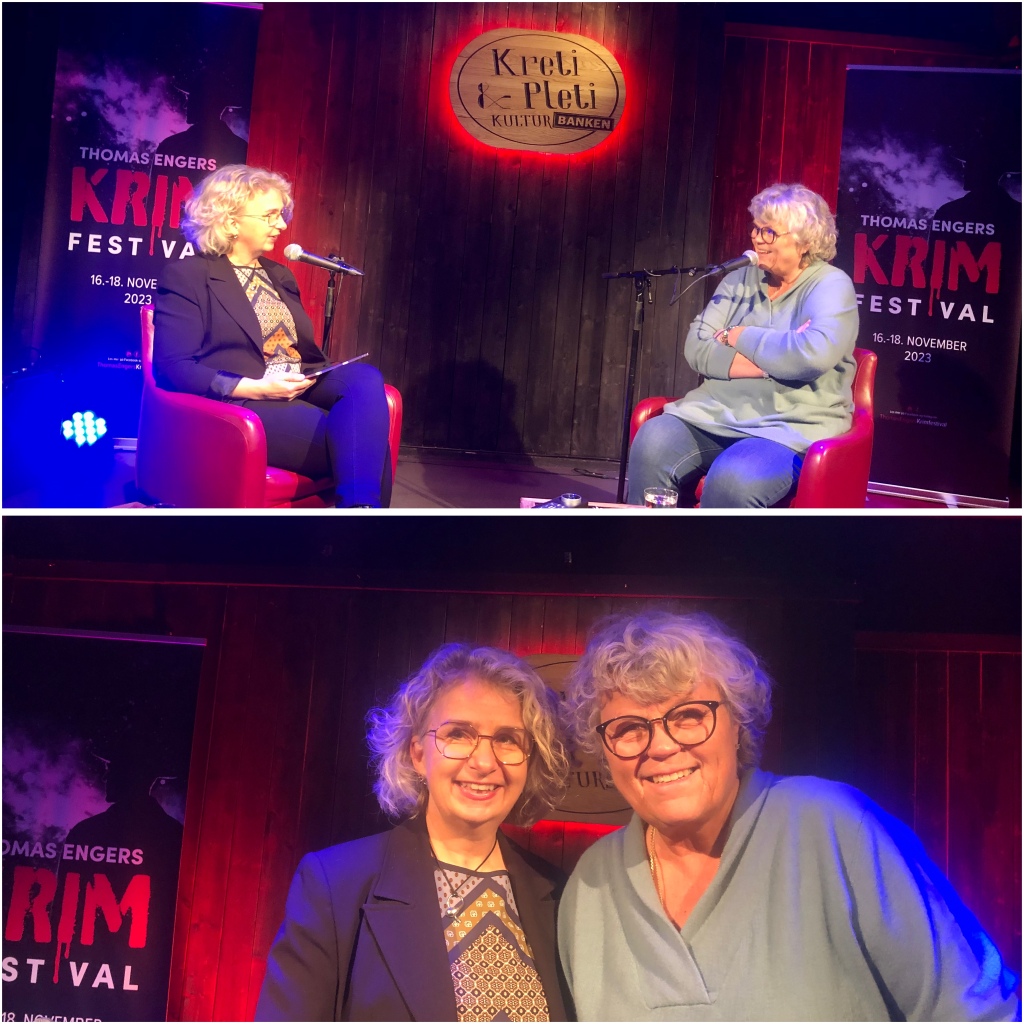
Gunnar Staalesen with Øistein Borge and Torkil Damhaug Elisabeth Kjensli Johansen with Trude Teige and Hanne Kristin RohdeElisabeth Kjensli Johansen and Anne HoltKaren Sullivan of Orenda Books sharing ‘inside information’ with her two international authors: Norwegian Thomas Enger and Finn Antti Tuomainen – and with the audience
I heard about Lilja Sigurðardóttir’s writing long before her books became available in English, and I was intrigued by the mixture of her sophisticated yet down-to-earth attitude, curiosity about life, and gloriously stylish flowing words. Then the good rumours became reality. Each year a new exciting novel appeared in perfect smooth translation byQuentinBates, while the publisher Orenda Books kept on feeding our addiction. I have read Reykjavik Noir Trilogy (Snare, Trap and Cage),the standalone Betrayal,and now the latest offering in the Áróra Investigation series.In Cold as Hell and Red as Blood we got to know the main people and the setting of apparently peaceful calm country, but with the dark undertones and dangerous criminals running their businesses of money laundering and brutality on the Icelandic soil with tentacles spreading to several countries. It is a fantastic feeling to know that every time I begin to read, there will be richness of themes, complex relationships and interesting well-drawn believable characters. All these essential elements bathed in the atmospheric Icelandic light that moves into the unsettling darkness in a beat of a heart.
Winter in Iceland can be beautiful, crisp and refreshing but not when mental turmoil takes precedence. White as Snow focuses on the intriguing duo of people who are equally strong and vulnerable, confident professionally and a little touch insecure emotionally. Áróra works as a tough independent financial investigator, unafraid of digging into the murky world of money crooks. However, she is sensible enough not to cross certain borders when threatened by ruthless thugs. She still struggles with the aftermath of disappearance and death of her younger sister. She is preparing herself emotionally and mentally to search for the possible resting place of missing Ísafold, with maps of the country and a drone on standby. The experience of failing to support and save her from far afar as she used to live in the UK haunts her constantly. At that point a vaguely familiar woman Elín asks her to find out more about her Russian boyfriend Sergei who puts pressure to get married quickly while keeping big angry secrets. The suspicious? man’s background leads Áróra to a shocking discovery that their paths have crossed already. Elín turns out to be Daniel’s ex wife, and very insecure about that sudden love with a younger man, which immediately bring back unsettling memories of Ísafold’s relationship with her abusive husband: ‘Ísafold had been through a never-ending carousel of denial and crisis, depending on whether Björn had beaten her or was at his most penitent, with gifts and romance.’
At the same time the police detective Daníel faces his toughest investigation yet: the incomprehensible horrors of human trafficking. He is determined to find those responsible for abandoning a shipping container on the outskirts of Reykjavik – and causing multiple deaths. The discovery of the bodies of five young women, one of them barely alive, in the metal container shook him and the whole investigative team to the core. The brutality and violence of this case take over his life in a way, with a sense that he must hunt the killer, or killers, to ensure that they are brought to justice. It’s not easy to deal with this as Daniel and his colleagues soon realise: ‘What you call insight is really working against me right now.’ Of course the professional emotions become secondary compared to what the Nigerian woman Bisi Babalola had to endure. She was lucky to survive the ordeal of being treated like goods and ‘shipped’ from France to Iceland, in yet another unfortunate case which shows how easy it is for powerless or marginalised people to be manipulated into believing that others want to help them.
The plot moves smoothly between big and small issues: writing is urgent, ingenious, relevant. Compact, yet generous story, and the precise prose make huge impact on the reader. Vivid characterisation of everyone who plays even a small part, plus intelligent and compassionate writing that keeps the tension going, are Lilja Siguardardottir’s stylistic trademarks, and I am sure that White as Snow would look brilliant on a screen. With the darkness of criminal underworld, international links, and Áróra and Daniel becoming a very close duo indeed. Their relationship is nuanced and complicated as they both want to keep things professional but are so attracted to each other on personal level. And even if this statement refers to Daniel: ‘your deep understanding – your insight and sympathy’, I would say that it could also apply to Áróra, the determined but sensitive Nordic heroine.
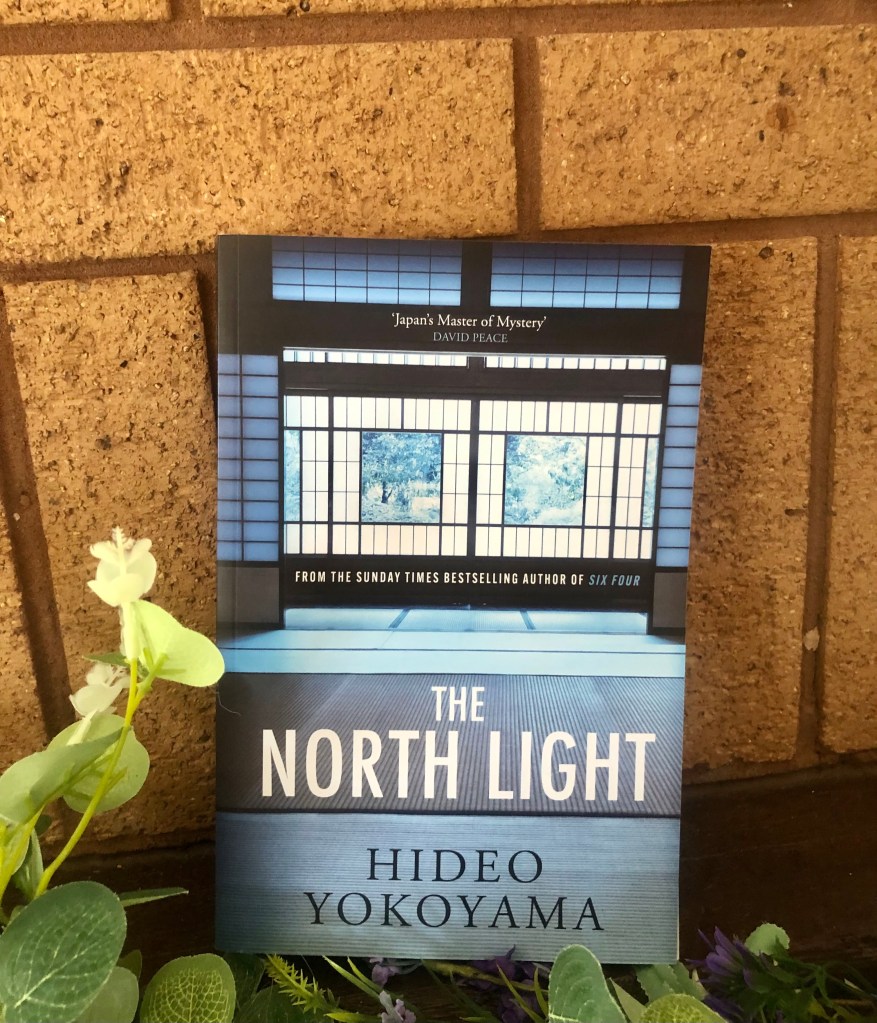
The elusive new mystery titled The North Light, by the Sunday Times bestselling author of Six Four, Hideo Yokoyama (translated by Louise Heal Kawai) was published by Riverrun on 12th October. I had an opportunity to get a copy beforehand. And I read it while house-sitting, accompanied only by two cats that had no interest in literature but were confident about the place where they belong. Being in a different space with different routines made me all the more appreciate the overwhelming sense of importance of location to Minoru Aose, the main character in the novel. As well as his professional preoccupation with utilising space and creating an amazing experience for the future inhabitants of the houses or offices, he also is completely focused on the setting that is or could have been his, embracing memories of itinerant childhood and an unfulfilled dream of building his own house.
Minoru Aose does not seem to be a happy man: in his mid-forties, fearing loneliness, lacks motivation and ambition. His divorce to Yukari eight years earlier resulted in a simplified structured life, with monthly meetings with his daughter, lots of soul searching, and a feeling of failure. After the initial period of sinking into despair and drink, he was offered some kind of salvation. His university friend Akihiko Okajima gave him a job at his own architectural firm Okajima Design Company. However, stability and routine of work does not bring much joy. One of the reasons is that Aose cannot replicate sense of exhilaration after designing and supervising construction and completion of his crowning achievement: an awe-inspiring innovative modernist private residence built in the shadow of Mount Asama. ‘Aose had believed that the Y Residence was intended as a symbol of hope – an attempt to reunite the family.’ The question remains though: whose family.
He feels insecure, and very disappointed when there is no post-design feedback and no contact at all from the owners. Then discovers that his clients and now owning the Yoshino House have never moved in. The beautiful unique property has been empty for several months, and although clean, also it is also neglected and unloved. He decides to visit the house to make sure that nothing bad has happened to the Yoshino family. His boss accompanies him, and there in the pristine building the emptiness encompasses everything. A lone single wooden chair standing in a middle of a room and facing the mountain’s north light is another mystery. Okajima recognises it as an iconic piece of furniture created by Bruno Taut, a German designer who fled his home country in the 1930s to escape Nazi persecution, and had come to Japan. By introducing a factual person into the story, Hideo Yokoyama anchors it in the fictionalised search into the disappearance of Yoshino and his family, and so pushes Aose to dig into the real history of architecture, and to ask uncomfortable personal questions. This process shakes Aose’s own fragile confidence. Yet he is drawn to the unknown situation, and must try to connect words and emotions. Very slowly he uncovers links that finally force him to acknowledge who he is, and how the sense of not belonging and being rootless has been following him since early years. Childhood spent in several places around the country as the family moved according to the national plans for building dams, and then his father’s sudden death made a huge impact: ‘Migration: staying at a place was not the same as living somewhere.’
The North Light flows slowly past the modern buildings, ancient structures, the past and the present. The novel has two contradictory motions at the same time: it’s both calm and reflective as well as intensely urgent and inquisitive. Aose’s personal story intertwines with the professional side of his life as his boss Okajima pushes the team to get shortlisted for the competition to design a memorial gallery for Haruko Fujimiya, ‘a reclusive painter who made a living selling postcards on a Paris street…Not a soul had ever set eyes on her incredible body of work, not until she had died, at the age of seventy.’ This commercial venture is marred with criminal investigation threatening honour and good name of all involved, yet somehow it also allows Aose to breathe. And so invites the readers to tune into the mood of this stunning book.
Born in 1957, Hideo Yokoyama worked for twelve years as an investigative reporter with a regional newspaper north of Tokyo, before becoming one of Japan’s most acclaimed fiction writers. The North Light is his fourth novel to be translated into the English language. His first, Six Four, was a Sunday Times bestseller in hardback and paperback, became the first Japanese novel to be shortlisted for the CWA International Dagger, was named in the Crime and Thrillers of 2016 roundups in each of TheGuardian, Telegraph, Financial Times and Glasgow Herald, and has since been translated into thirteen languages worldwide. Louise Heal Kawai is from Manchester in the UK and holds an MA in Advanced Japanese Studies from the University of Sheffield. She has lived in Japan for over twenty years and been a literary translator for the past ten. Her Japanese translations include Seicho Matsumoto’s murder mystery, A Quiet Place, and Mieko Kawakami’s Ms Ice Sandwich.
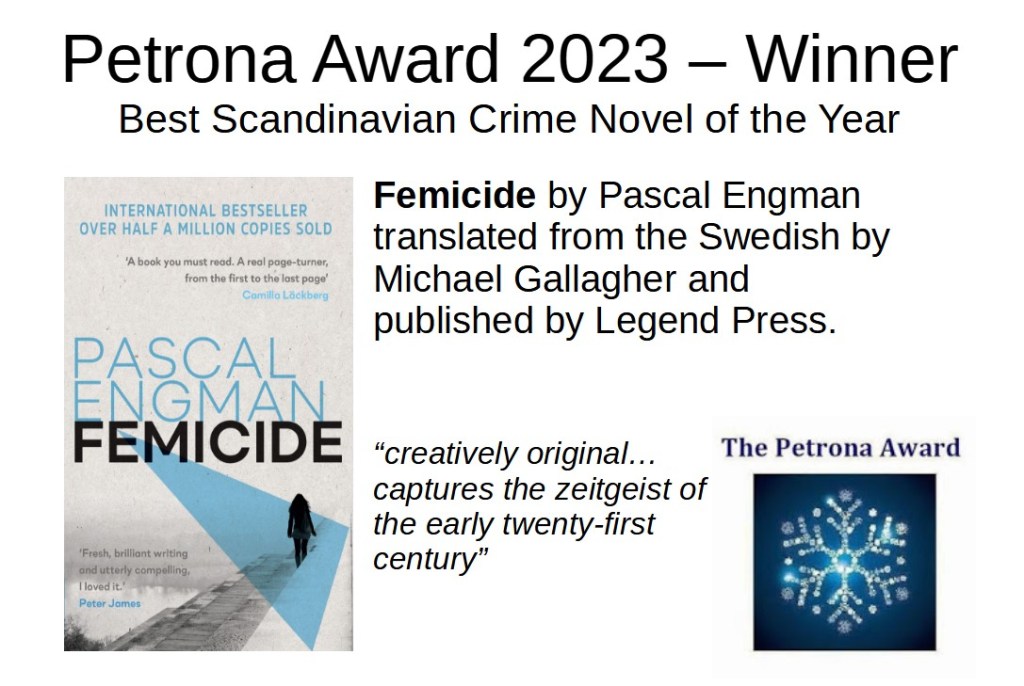
The winner of the 2023 Petrona Award for the Best Scandinavian Crime Novel of the Year is:
FEMICIDE (original title Råttkungen) by Pascal Engman, translated from the Swedish by Michael Gallagher, and published by Legend Press. Pascal Engman will receive a trophy, and both the author and translator will receive a cash prize.
The judges’ statement on FEMICIDE:
This year’s Petrona Award winner is a page-turning, absorbing and uncomfortable Swedish thriller. FEMICIDE tells of a young woman, Emilie, who is found murdered in her Stockholm apartment in the same week that her violent ex-boyfriend is released from prison. Detective Vanessa Frank is assigned the case. Meanwhile, we hear the story of young journalist Jasmina, the survivor of a recent, severe sexual assault. Author Pascal Engman dives into the world of incels through Tom, a very believable character who is part of a weaponised gender war brought about by, amongst other things, misguided hatred, feelings of being ignored by society, and sexual frustration. FEMICIDE comes to a pinnacle as the attacks against women escalate on a huge scale.
Continuing in the tradition of fellow Swedish authors Sjöwall and Wahlöö, and Henning Mankell, Pascal Engman uses his writing to comment on societal values making FEMICIDE an interesting, fictional take on the multifaceted topic of violence against women. The book stood out to all the Petrona judges for several reasons. The way FEMICIDE opens the reader’s eyes to the steadily increasing threat of the incel movement and what makes these men tick was felt by all the judges. FEMICIDE is a challenging read that broadens thinking. The writing is well informed, the book has a good sense of urban space, and it picks up pace in a satisfying manner. There is a cast of interesting, and sometimes unconventional, characters for the reader to get to know. All the judges felt this book offered something creatively original that captured the zeitgeist of the early twenty-first century and it is a deserved winner.
Pascal Engman (author):
It feels incredibly significant to win this award. Several of my major idols and heroes in this genre have been recipients of it. I consider it an honour, a great honour. Writing FEMICIDE was a unique experience. The research on the incel movement was very challenging. I was pulled towards their darkness in many ways. Therefore, I also want to thank Linnea, my fiancée, for putting up with me then, as she does now.
Michael Gallagher (translator):
FEMICIDE was a fantastic book to work on. Pascal Engman certainly belongs to the Nordic Noir tradition, but his writing and his characters deftly reflect the tectonic shifts underway in Sweden and the wider world. Always unsettling and compelling, he is not bound by conventions or old clichés. I am delighted that the jury has recognised his talent and that my translation seems to have done it justice!
Cari Rosen (Legend Press Commissioning Editor):
We are so thrilled that FEMICIDE has been chosen as the winner of this year’s Petrona Award. The novel delves into the world of incels after a series of brutal attacks against women, and perfectly encapsulates the pace, drama and drive of Pascal’s writing. The Vanessa Frank series has sold more than a million copies worldwide and everyone at Legend is delighted to be able to bring this, the first of three books, to an English-speaking audience thanks to Michael Gallagher’s expert translation.
Thank you for inviting me to your blog today, Ewa to discuss one of my favourite topics, books. You have made things difficult for me by asking me to choose just five books that I would count amongst the most memorable or enjoyable I have read. This has not been easy! I write crime fiction thrillers. My first series, the DI Hunter Wilson Crime Thrillers are set in Edinburgh and the Jane Renwick Thrillers are set throughout Scotland. It is because of this that I have started with the books that first inspired my interest in crime fiction and work forward from there.
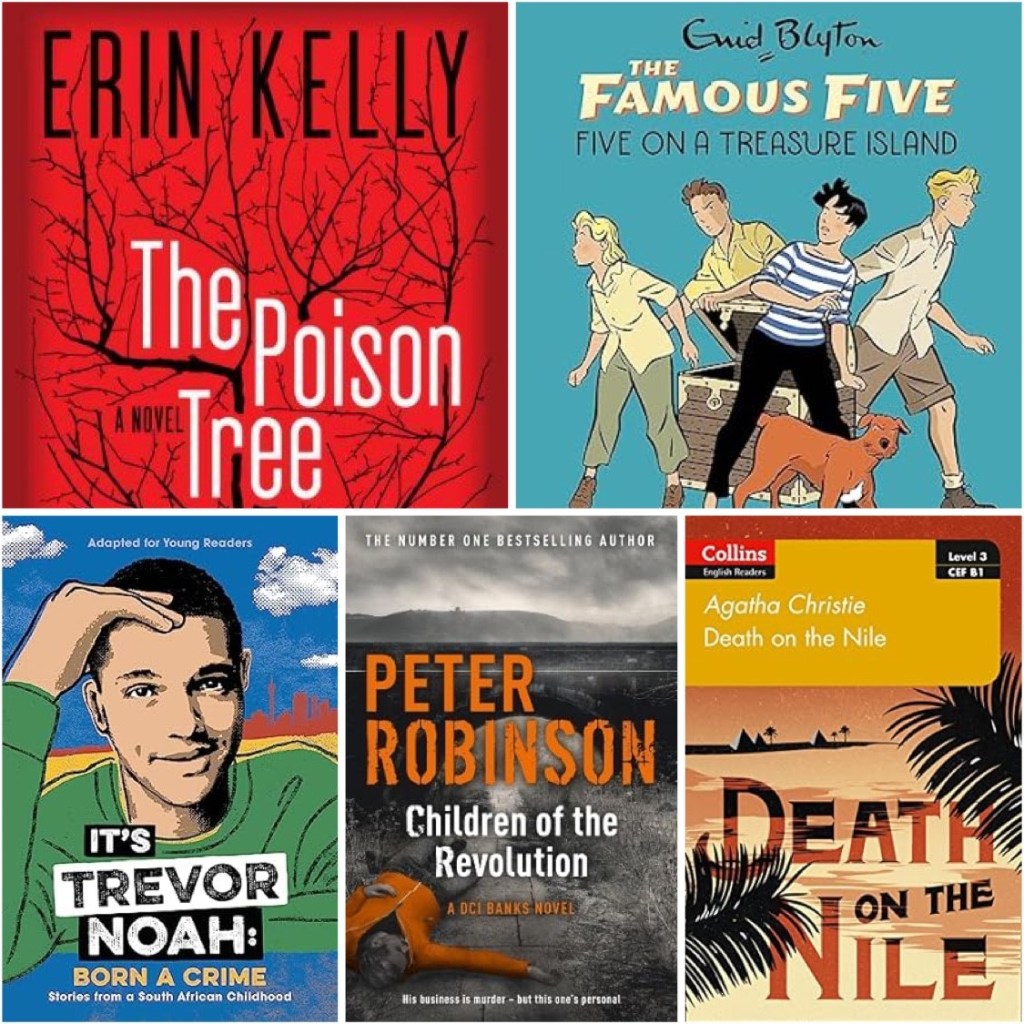
Five on a Treasure Island by Enid Blyton
The first of the twenty-one Famous Five books that Enid Blyton wrote was Five on aTreasure Island, first published in 1942, and I was seven when I read it. I thought it was the most exciting story I had ever read. The novel featured three siblings, Julian, Dick, Anne and their tomboy cousin Georgina, who liked to be called George, and George’s dog, Timmy. Thinking about it now, the book was quite progressive as George was insistent that she should be known as George and thought of herself as a boy. I’m sure, if the book were written today, George would be portrayed as openly transgender. I deal with transgender issues in Hunter’s Secret. I read Five on a Treasure Island several times until my mother relented and bought me other books in the series.
Death on the Nile by Agatha Christie
I have read many books by Agatha Christie in my time, as I’m sure most people who enjoy crime fiction have done, but the first novel of hers that I read was lent to me by my grandmother. I felt so grown up as this was the first ‘adult’ book I had read. I was probably about ten years old. The story takes place on a boat cruising down the river Nile. Now I know it is a typical ‘closed room’ book where the number of suspects is limited by the setting of the story, in this case the guests on the cruise. Christie uses this device in several of her novels including another of her most well-known books, Murder on the Orient Express. The idea of writing a novel with a ‘closed room’ scenario has stayed with me all these years. Maybe it will happen.
Children of the Revolution by Peter Robinson
I was very blessed to count the late great Peter Robinson amongst my writing mentors. I remember the first time I met him; he had already written 21 books in his DCI Banks series, and I asked him if I should start at the beginning. Peter just laughed and said he though I should start with his most recent book and go back to read others if I liked it. He hoped his books had improved with time. I did indeed start with Children of the Revolution, which he signed to me. I treasure it still. This is a story that starts with a disgraced lecturer being found dead and proceeds to explore university politics from thirty years previously. It is a beautifully woven story. It was Peter’s influence that made me want each of my books, from Hunter’s Chase onwards, capable of standing alone.
The Poison Tree by Erin Kelly
Another author who has been most supportive of my writing is the talented psychological thriller writer, Erin Kelly. I first met Erin at The Writers’ Summer School which takes place in Swanwick, Derbyshire in August each year. She was teaching a course and took time to read and revise the first three chapters of my first novel Hunter’s Chase. While I do not aspire to write psychological thrillers, I find the complexity and draughtsmanship of Erin’s novels gripping and could not put The Poison Tree down. I tease her that she owes me a night’s sleep.
Born a Crime by Trevor Noah
My last choice must be from a different genre altogether, it is Born a Crime, an autobiography by Trevor Noah. He was born, mixed race, in apartheid South Africa at a time when it was illegal for people from different ethnic backgrounds to intermingle or marry. This is a mind-set which I have never understood, and Noah educates his reader, explaining his early life so vividly that it made me laugh and cry. This book so influenced me that I try to inject humour, albeit dark humour into my novels, no matter how serious the main topic of the book.
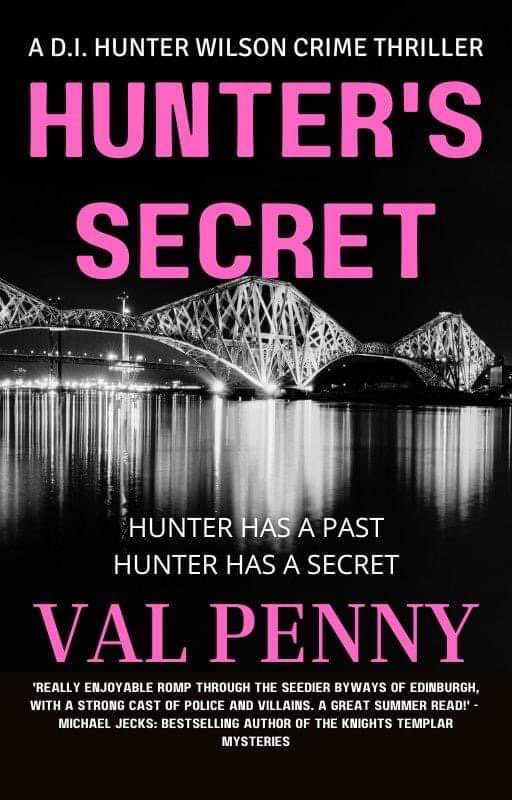
Detective Inspector Hunter Wilson is called to the scene of a murder. DCs Tim Myerscough and Bear Zewedu found a corpse, but when Hunter arrives it has disappeared, and all is not as it seems. Hunter recalls the disappearance of a dead body thirty years earlier. The Major Incident Team is called in but sees no connection – it is too long ago. Hunter is determined to investigate the past and the present with the benefit of modern DNA testing. Tim has other problems in his life. His father, Sir Peter Myerscough, is released from jail. He, too, remembers the earlier murder. There is no love lost between Hunter and Sir Peter. Will Hunter accept help from his nemesis to catch a killer? Hunter’s own secret is exciting and crucial to his future. Will it change his life? And can he keep Edinburgh safe?
Val Penny‘s latest sharp novel Hunter’s Secret is published by SpellBound Books, and I would like to thank Reading Between The Lines for the opportunity to read it in advance.
Val Penny an American author living with her husband and their cat in SW Scotland. She has two adult daughters of whom she is justly proud. She has an LLB degree from the University of Edinburgh and MSc degree from Napier University. She has had many various jobs, such as hairdresser, waitress, banker, azalea farmer and lecturer but has not yet achieved either of her childhood dreams of being a ballerina or owning a candy store. Until those dreams come true, she has turned her hand to writing poetry, short stories, nonfiction books, and novels.
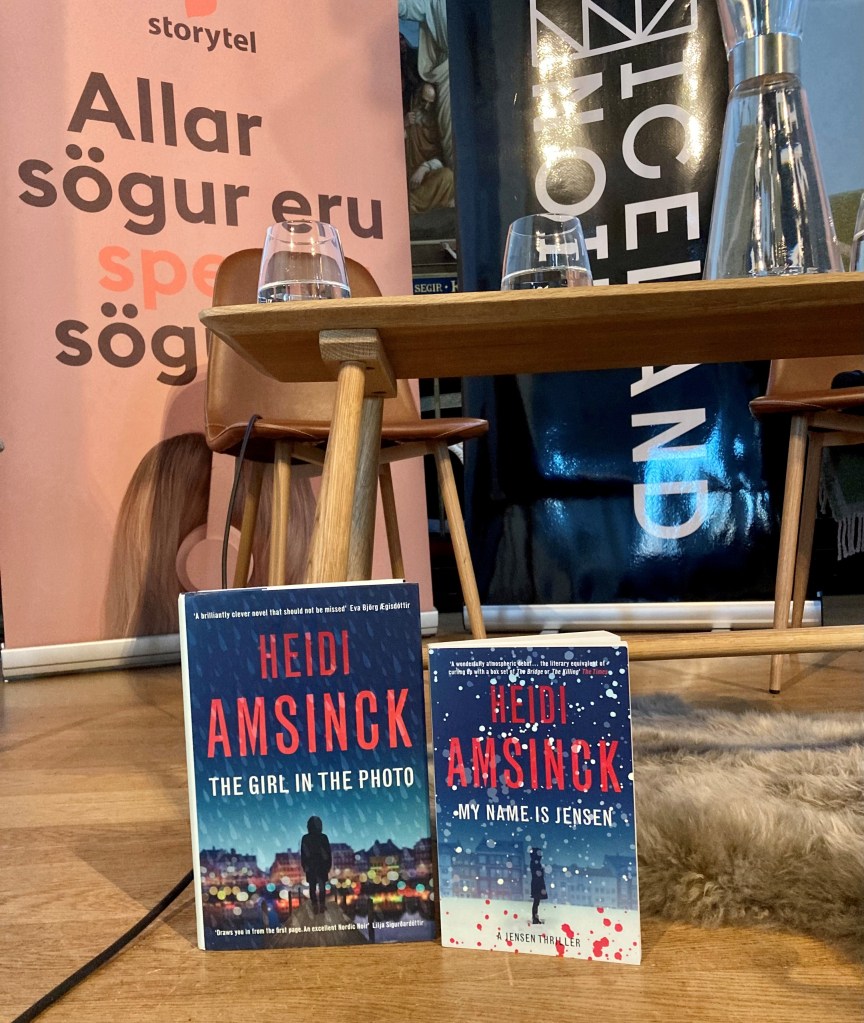
In Copenhagen the maverick journalist Jensen has no home, no job and no clear plan for the future. But she has a teenage apprentice Gustav. Together they are hired to find a stolen necklace of an old lady brutally murdered in her own flat. That assignment leads to some clashes with DI Henrik Jungersen investigating killings of three older people.
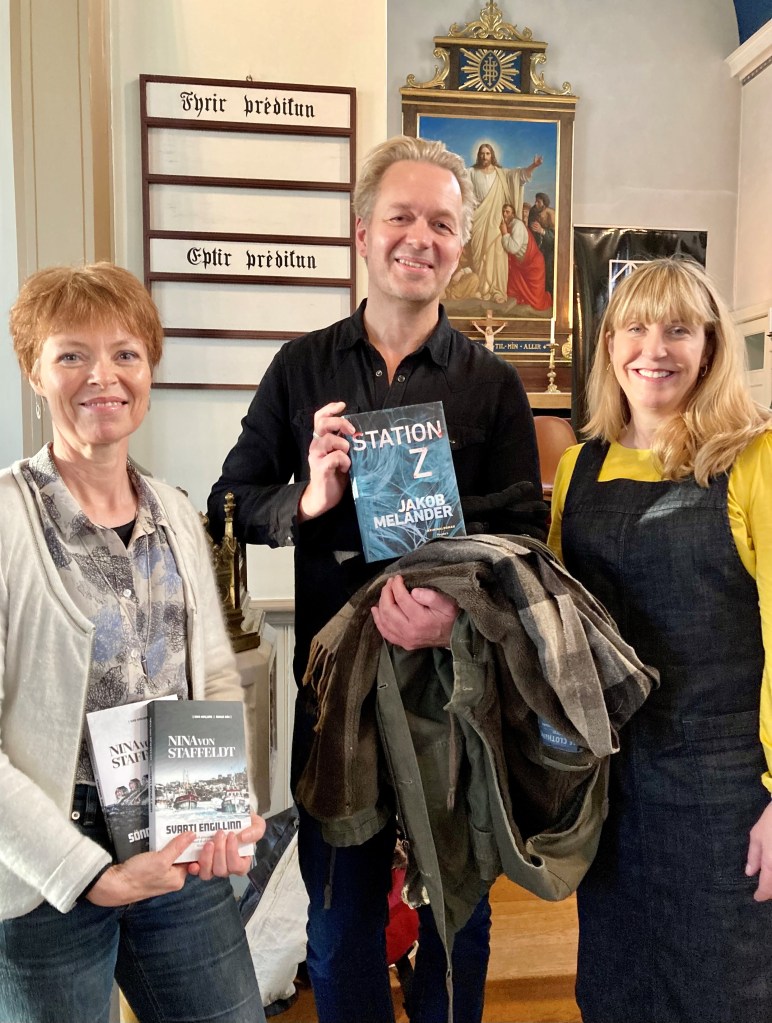
Iceland Noir 2022Iceland Noir 2022. Danish invasion: Nina von Staffeldt, Jakob Melander and Heidi Amsinck
When ninety-year-old Irene Valborg was found brutally murdered in an affluent suburb of Copenhagen, her diamond necklace missing, it looked like a messed-up burglary. Before any investigation properly started, her daughter Regitse hired former Dagbladet reporter Jensen and her teenage apprentice Gustav to find the jewellery. She was impatient to claim her inheritance but not very concerned with the murder.
Soon two more elderly victims were attacked, and the police determined simply that a general rise in violence against the elderly was the cause. However, at all scenes of crime: in the private house, at the allotment and in the care home, DI Henrik Jungersen found a single photo of a young girl. Questioning own sanity as his wife had enough of his behaviour and trying to fix his marriage, Henrik realises that he works best when bouncing off Jensen. He is in an impossible position: desperate to avoid and attract her. Because Jensen, the bright maverick journalist in her thirties and the woman with no (first) name, seems to be a contradiction of nuances. She initially appeared in Heidi Amsinck’s novel My Name is Jensen. After fifteen years working in London, she has returned to her native Denmark and true to her unique style of writing and investigating issues on her own.
Amsinck has already introduced us to a quartet of unique and unforgettable characters: Jensen, Henrik, Gustav, and Copenhagen. One city that embraces them. Three people who don’t really work alongside and together. Not admitting as such they grew to depend on one another to go through everyday life. Jensen is fiercely independent, and super insightful when it comes to pursuing a query or idea that got her hooked. Henrik is miserable, rude and disrespectful as hell, a classic example of bad cop with messed up family life. Though these two are not in relationship of any kind, they’re attracted to each other on more existential level. And Gustav, an intense and angry teenager offloaded on Jensen by his aunt, and her ex-boss Margrethe, the powerful newspaper giant. The invisible intricate strings pull them together to uncover secrets of several victims and to establish what had happened before the seemingly unrelated murders take place. Of course, we know that nothing like that is unconnected and following the trio in their quest to put puzzle pieces into a clear picture is both interesting and cringy.
Jensen opens a bit about own upbringing which I think is a nod to the hippy commune lifestyle and freedom of Freetown Christiania, and also makes a painful discovery of the events that had led to Gustav being kicked out from school. This in turn shines a light on changes in the modern society which include social media’s role. The background stories add richness to this urban thriller’s overall mood. Amsinck’s book is also an ode to the charming and atmospheric city, its past and present, as the main protagonists navigate its streets and conventions, and learn about greed and shame. Complex layered plot, with intensity of narration and nuance and fantastic characterisation makes The Girl in the Photo, a gripping read. Both books are published by Muswell Press.
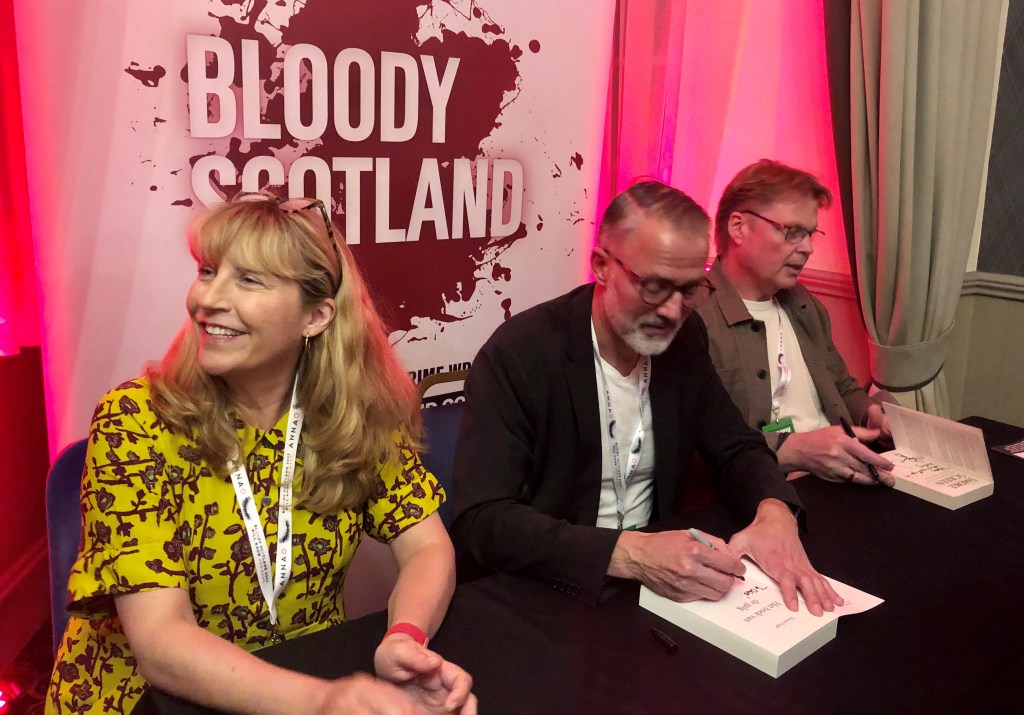
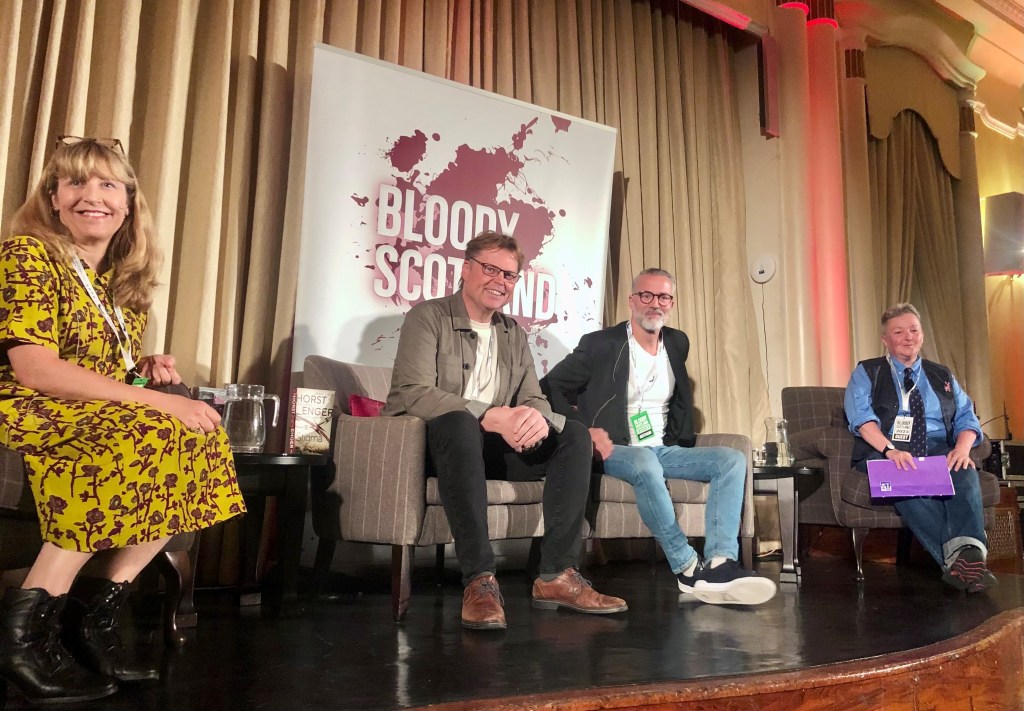
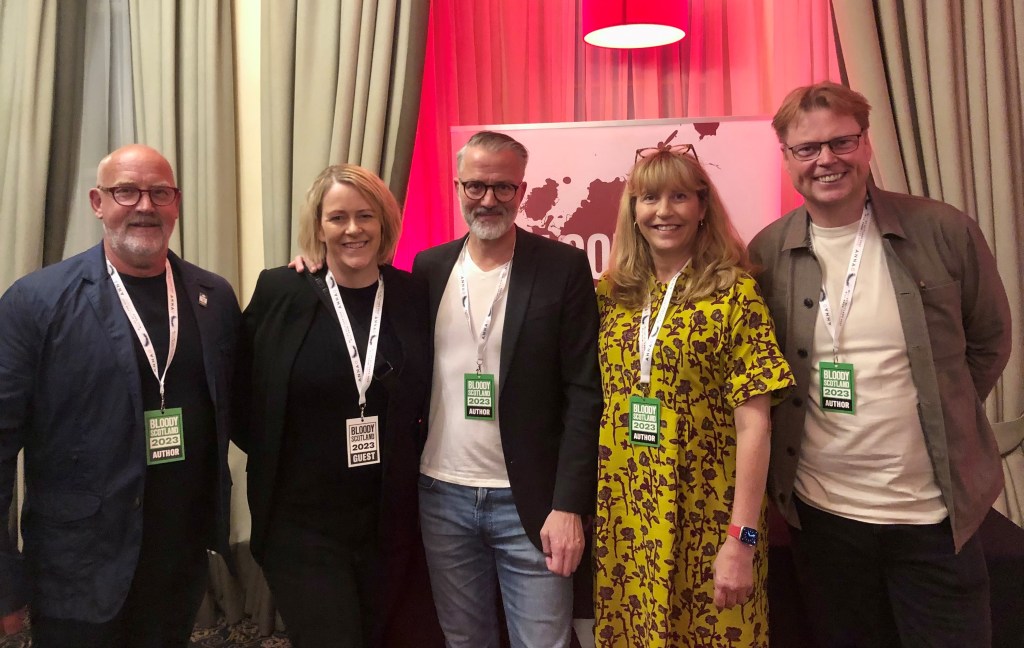
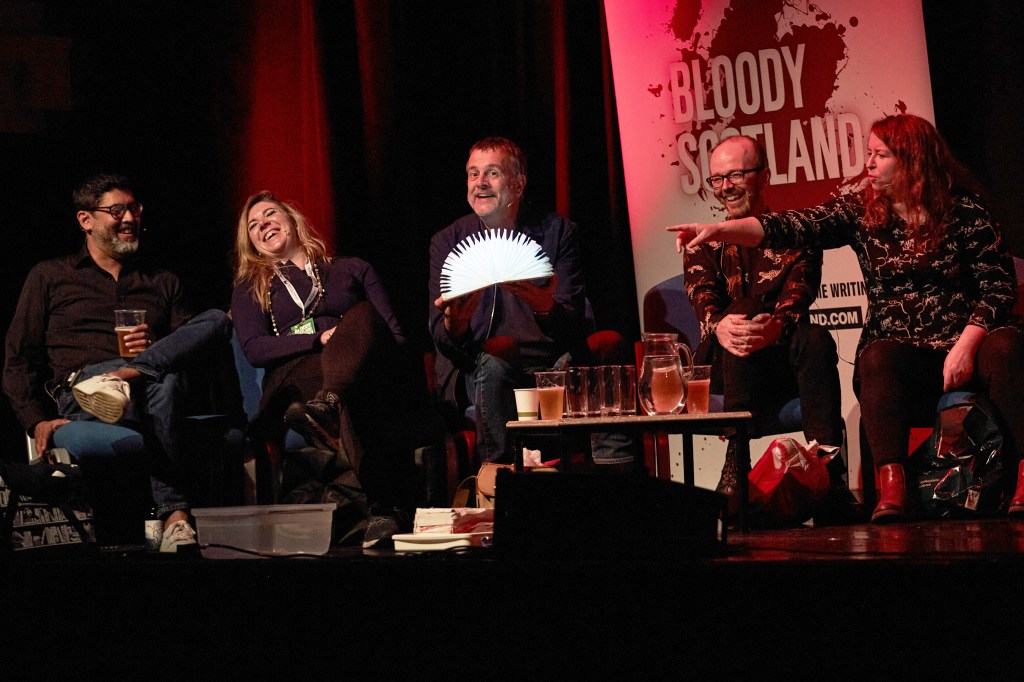
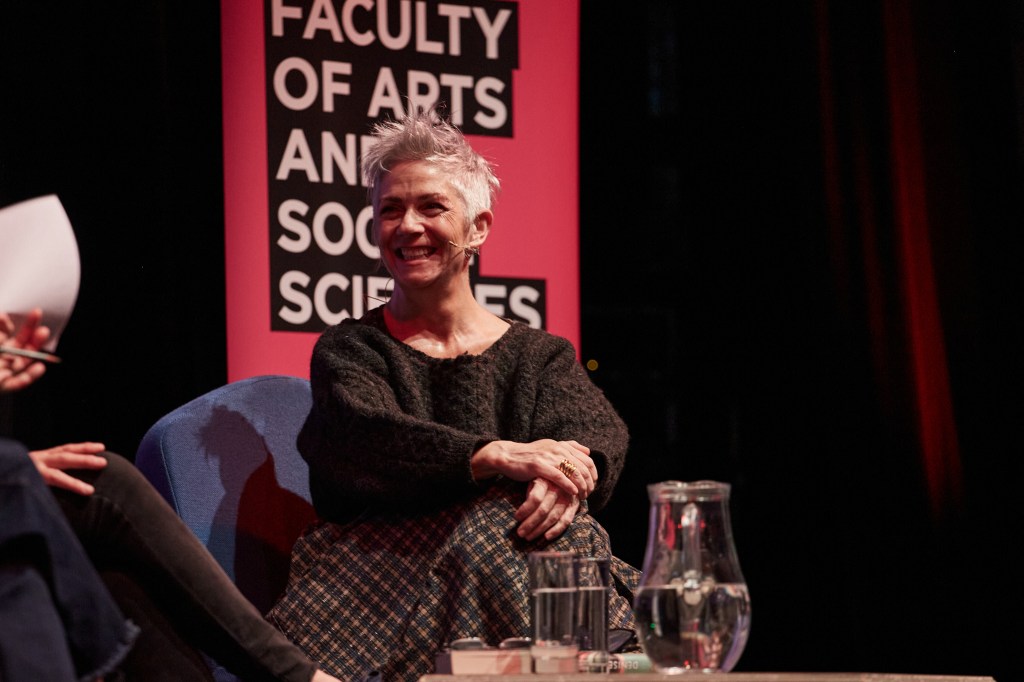
Nordic Noir panel, chaired by Jacky Collins, during Bloody Scotland 2023: Heidi Amsinck, Thomas Enger and Jørn Lier Horst Bloody Scotland 2023: Michael Malone, Lilja Sigurdardottir, Thomas Enger, Heidi Amsinck and Jørn Lier Horst
Say what you want about squeezy cheese in a tube but you can’t beat it when it comes to teaching the alphabet. Recently I have been using it to write letters on sandwiches, and having cheesy conversations:
What’s your name?
You know my name.
Can you tell me again?
Tom.
OK, Tom. What’s the first letter in your name?
(Here comes a zigzag in the air)…
So here you are: T on dark bread.
Tom is excited.
Others follow.
I’m Mat! Can I have M?
And so we write and eat and afterwards there’s no evidence (and we know what happens when someone finds evidence)…
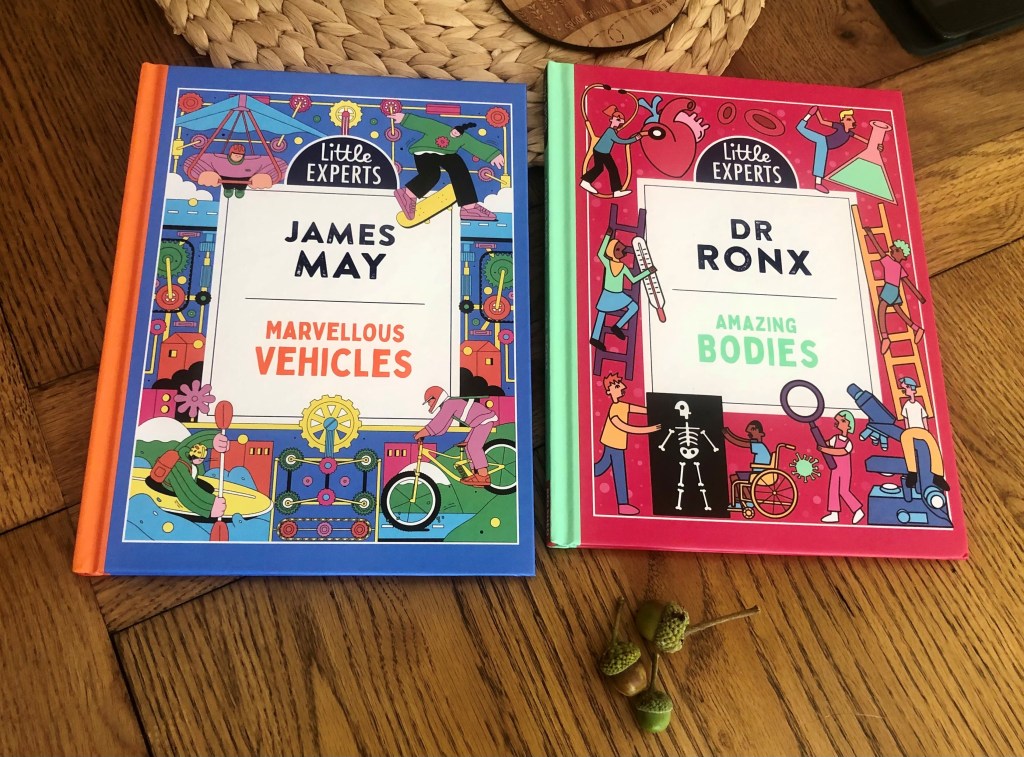
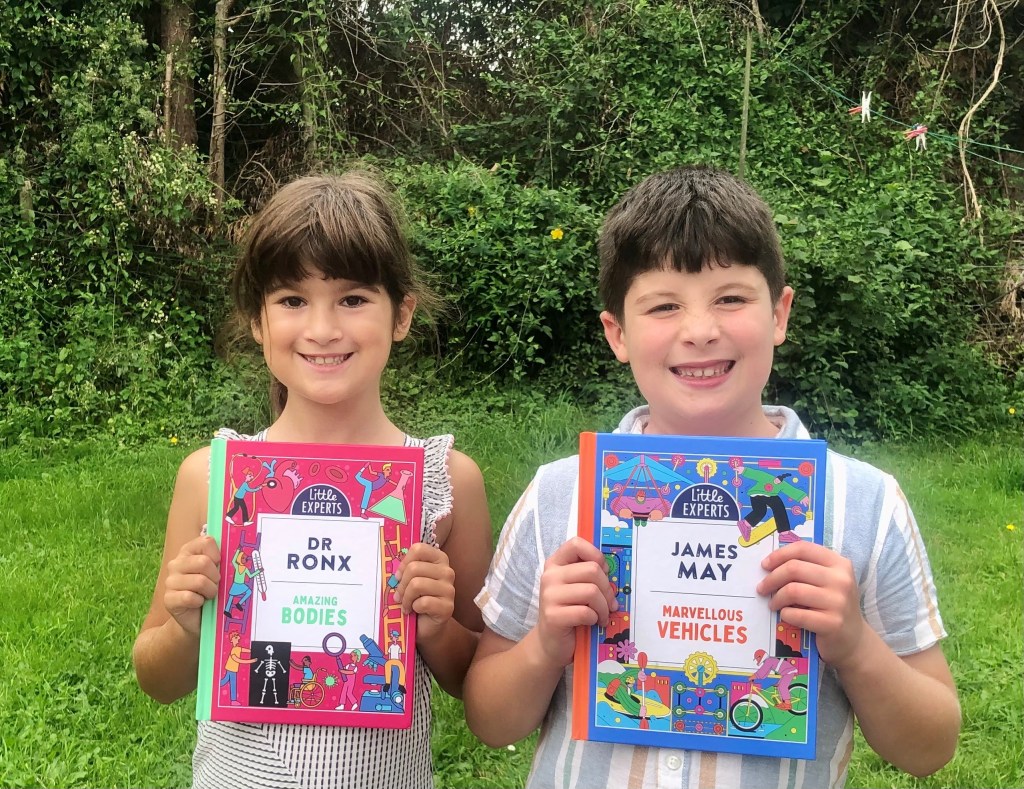
I can also make a paper boat, and am very good at building LEGO houses with gardens. But I am no expert in details in regard to human-powered vehicles and our own bodies, hence I suggest that you turn to people who are interested in and know about these things. I was lucky to receive two books (thank you FMcM Associates!) from the ground-breaking new series for children aged 6-9, which sees leading experts introduce curious young minds to hot topics. From money and human-powered vehicles, to how the human body works, Little Experts is set to take young readers on unforgettable adventures and inspire them to discover more about the incredible world they live in.
First is Amazing Bodies by the award-winning trans non-binary emergency doctor and TV presenter Dr Ronx who takes readers on a tour around the human body. Ashton Attzs, a UK-based artist illustrated this book. His paintings and digital illustrations are a vehicle to empower and celebrate the everyday person, and fit perfectly with the text which give introduction to human anatomy, and shares some fun facts. Did you know that ‘in your lifetime you could lose up to 35 kilograms of skin cells – that’s about the weight of eight cats!’? Or that ‘the smallest muscle is in your ear, called the stapedius and is less than 2 millimetres long’? Also, ‘the largest muscle is the gluteus maximus. It makes up the bum muscle!’ I had no idea. Dr Ronx said “I was inspired to become a doctor after seeing a TV programme set in a hospital. The doctors were kind, caring, and were of all ages, abilities, races and renders, Now want to inspire children to become experts on the human body and wow their friends, family, and teachers with fascinating facts.”
James May’sMarvelous Vehicles are about human-powered vehicles which the writer and broadcaster, best known for co-presenting The Grand Tour and Top Gear, finds fascinating: ‘Believe it or not, the first working submarine was human-powered. That’s because it was built in 1620, when the only means of powering boats were sails or oars. As sails won’t work underwater, it had to have oars.’ ‘This ‘diving boat’ (the word ‘submarine’ hadn’t been invented yet) was built from a wooden frame covered with waterproofed leather. It travelled about four metres below the River Thames, in London.’ May’s favourite mode of transport is bicycle, and definitely not a unicycle which ‘is less than half a bike, and the pedals are attached directly to the wheel. There are also no brakes. I tried a unicycle once but faceplanted.’ Illustrations are by Emans, an Italian-Brazilian illustrator who studied graphics in Buenos Aires, Argentina, and currently lives and works in Italy.
I read both books and learnt interesting new facts. I might use this knowledge while I write in cheese. The books found a new home already, with eight-year-old twins Florence and Jackson.
Credit for the text below and all photos goes to the festival’s communication team.
The historic city of Stirling was packed with crime fans and media at the weekend. New venue, Trinity Church hall, was host to BBC Radio 4, Loose Ends who got the weekend off to a great start with Janey Godley and Danny Wallace chatting to crime writers ChrisBrookmyre, Val McDermid and Abir Mukherjee. In the afternoon BBC Radio Scotland’s Afternoon Show broadcast live from a buzzing Golden Lion bar interviewing no fewer than eleven Bloody Scotland authors plus the judges for the Bloody Scotland Debut Prize during their two-hour show.
CrimeMaster: Abir Mukherjee, Gytha Lodge, Mark Billingham and Susi Holliday
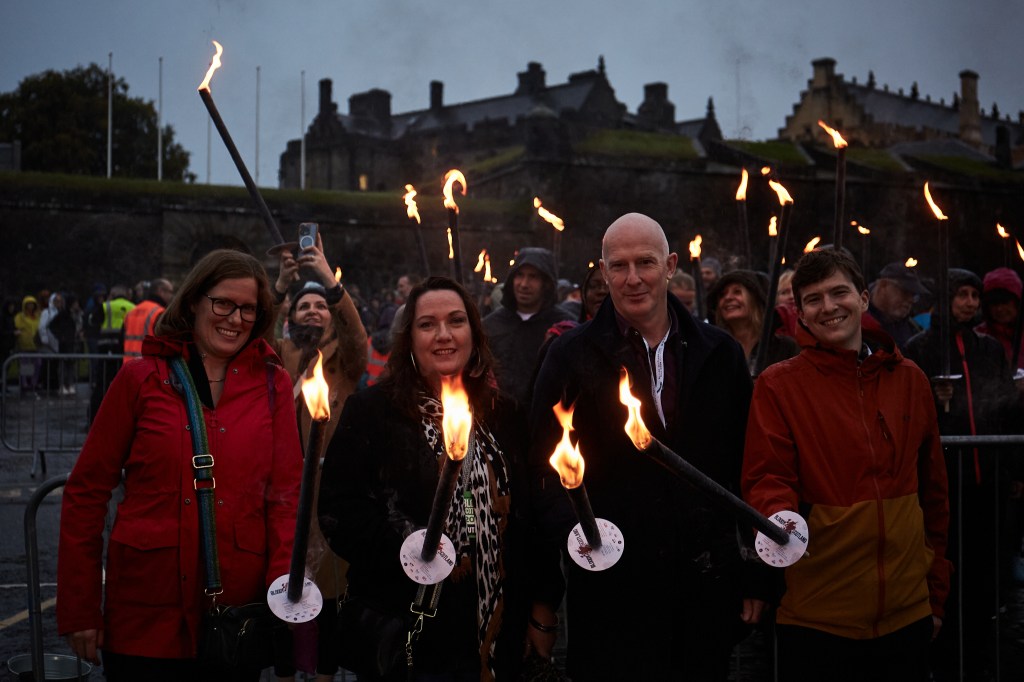
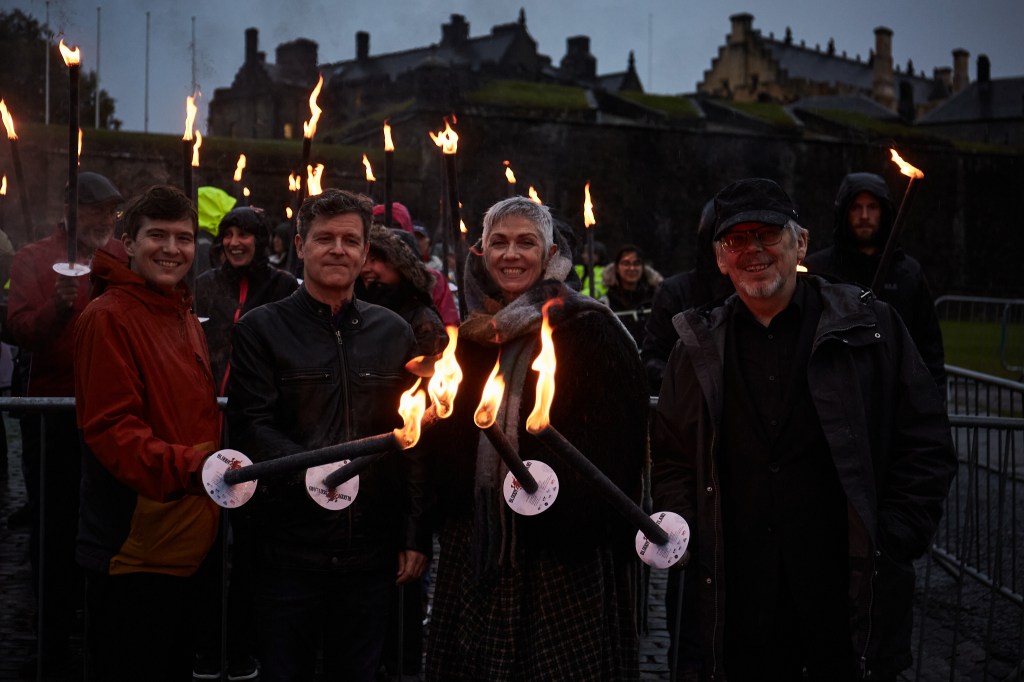
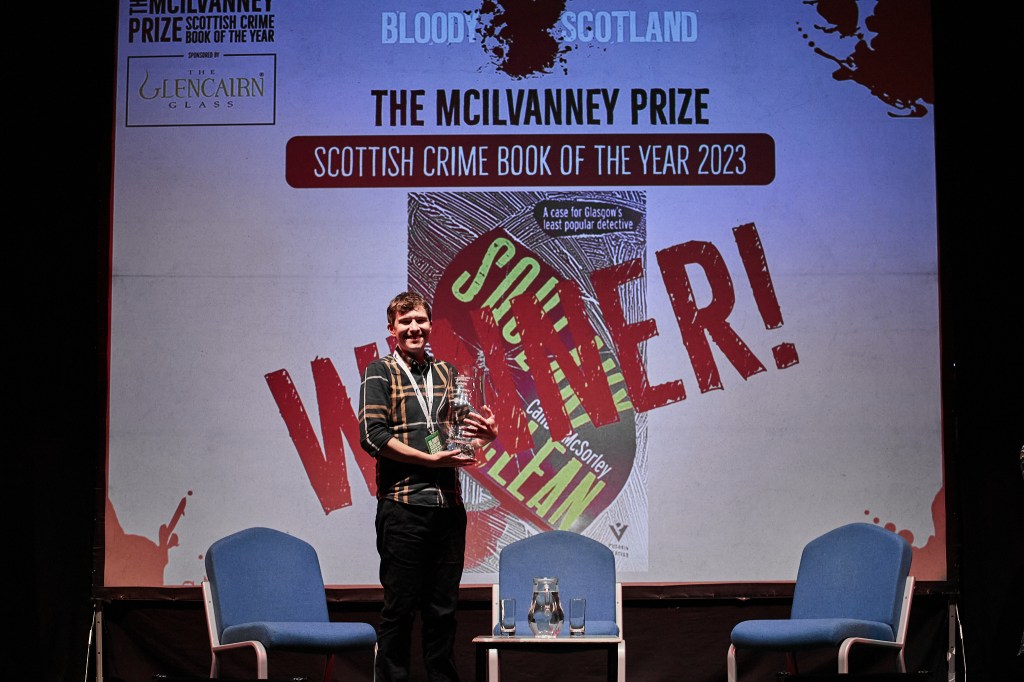
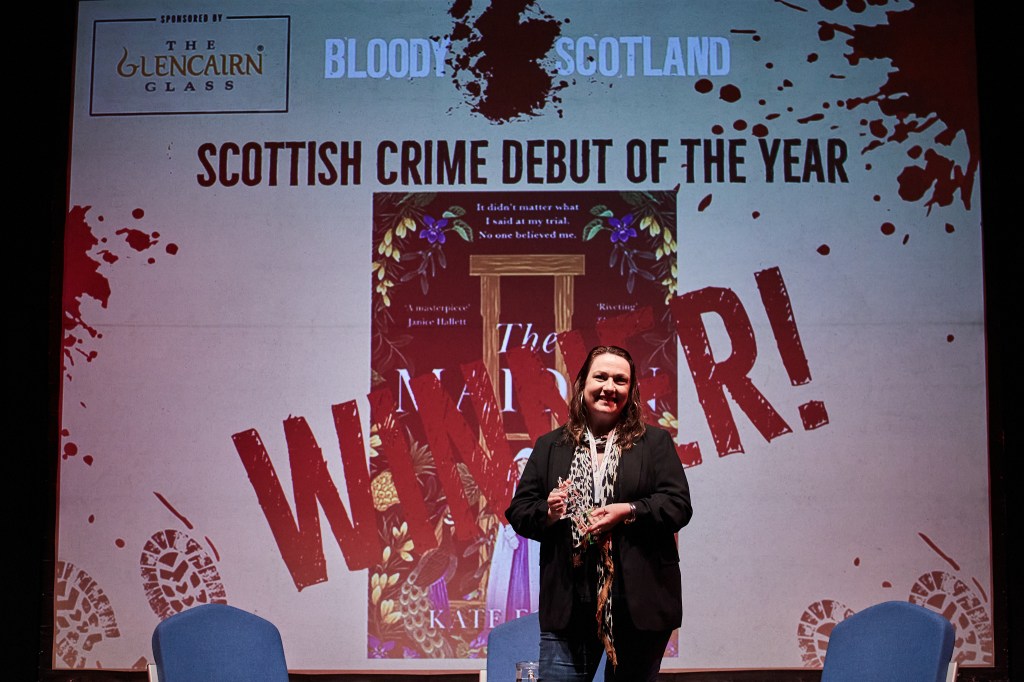
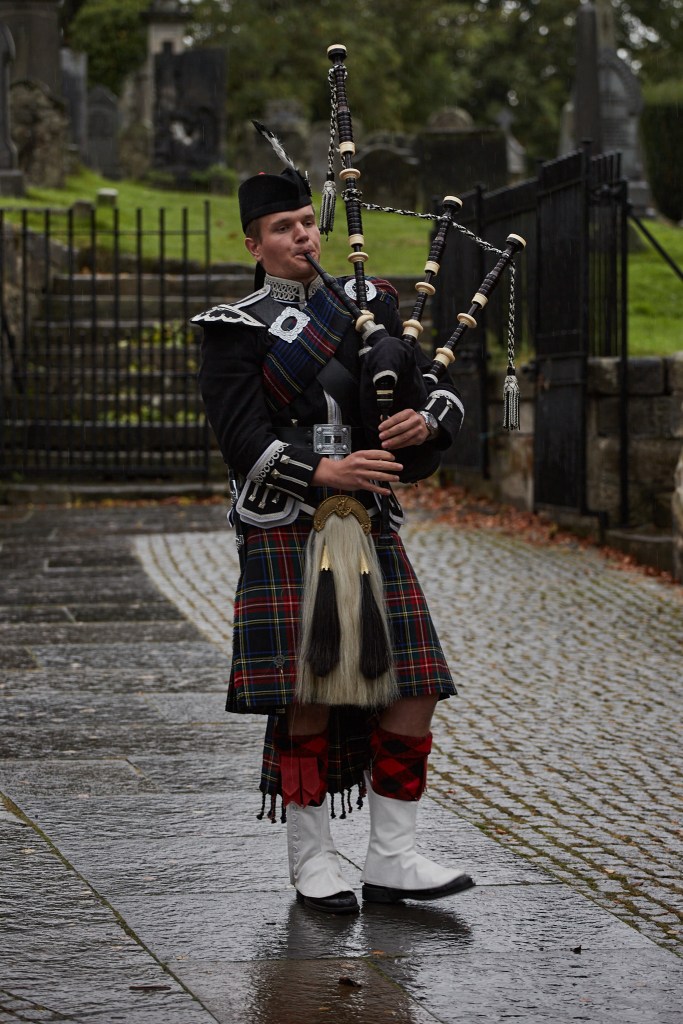
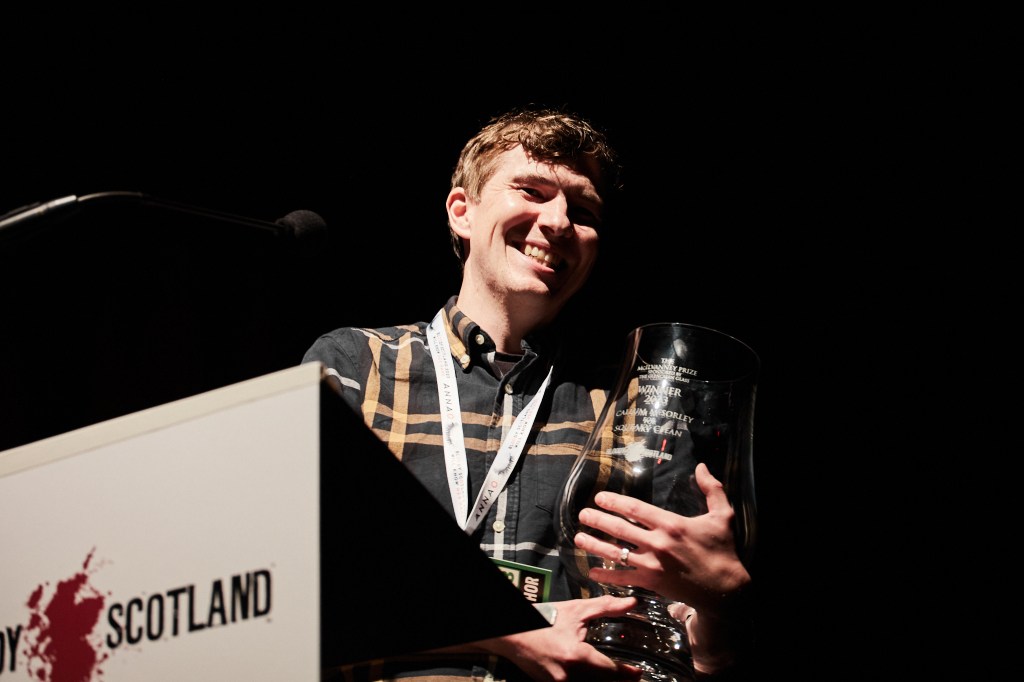
The finalists for both the Bloody Scotland Debut Prize and the McIlvanney Prize went from the opening reception at the Church of the Holy Rude to Stirling Castle to take their places at the front of the torchlit procession. The fabulous Stirling and District Schools Pipe Band led the 400 strong procession through the cobbled streets to the Albert Halls where the winners of the McIlvanney Prize (debut author Callum McSorley with Squeaky Clean) and the Bloody Scotland Debut Prize (Kate Foster with The Maiden) were presented with their awards by Kenny Tweeddale from sponsors, The Glencairn Glass and interviewed live on stage by Janice Forsyth from BBC Radio Scotland.
Heather Critchlow, Kate Foster, Fulton Ross & Callum McSorley, nominees for the Scottish Crime Debut Of The Year. 15/09/2023 (c) Paul ReichCallum McSorley, Robbie Morrison, Denise Mina & Craig Russell, nominees for the McIlvanney Prize. 15/09/2023 (c) Paul ReichCallum McSorley, winner of the McIlvanney Prize, at Bloody Scotland on 15/09/2023. Paul ReichKate Foster, winner of the Scottish Crime Debut Of The Year. 15/09/2023 (c) Paul Reich
However, there was far more to day one than media interviews and the awards presentation. For the first time ever there were eight events prior to the torchlit procession, one during and six afterwards with the final events (CrimeMaster at the Albert Halls and The Darkest Web at The Golden Lion) concluding at 11.30pm with the bonus of a final drink at the always packed Crime at the Coo which finished at midnight. Highlights of the festival always include the fringe activities. The sun shone for the Bloody Scotland England v Scotland crime writers football match at King’s Park which was won emphatically by Scotland 12-3 and at night the Fun Lovin’ Crime Writers returned to the Bloody Scotland stage ‘murdering songs for fun’.
In terms of sales the most popular event was Rob Rinder and Nadine Matheson closely followed by Val McDermid and Abir Mukherjee and the festival closed on a complete high with an outstanding Pitch Perfect panel which was won by Shane McGinley who had travelled all the way from Dubai to pitch his book. Craig Russell and Liam McIlvanney headlined the final event in the Albert Halls and a rammed panel celebrating Scottish crime writers took place in The Golden Lion ballroom with J D Kirk, Marion Todd and Colin Macintyre. Their event finished at 2pm and the signing queue was still going an hour later.
Callum McSorley, winner of the McIlvanney Prize, 15/09/2023 (c) Paul Reich
Bob McDevitt, Festival Director said: ‘I’m a tired but very happy man at the end of another action-packed Bloody Scotland weekend. The rain didn’t dampen the spirits of the Torchlit parade – in fact, some people said it only made it more atmospheric! It really was such a pleasure to see the streets of Stirling once again taken over by the Bloody Scotland army of authors and readers united in the goal of a rip-roaring and riotous good time.’
Pitch Perfect winner and first time attendee, Shane McGinley said: ‘When Mark Billingham was in Dubai I went to his signing and I asked him for advice on getting an agent. He recommended applying for Pitch Perfect so I Googled it and applied this year. When I arrived in Stirling the staff of Bloody Scotland were so helpful with introductions to authors, press and industry people. I also spent a good amount of time in the Golden Lion bar and met some lovely crime authors and bloggers. Winning was a total surprise and proves making the 5000 or more mile trip was well worth it.’
Bestselling author, Fun Lovin’ Crime Writer and former England football captain, Mark Billingham said: ‘Bloody Scotland remains one of the pre-eminent crime festivals in the world. Brilliantly organised with an amazing line-up of authors and thoughtfully curated events. It’s an unmissable weekend.’
Stirling Council Leader, Cllr Chris Kane said: ‘Readers turned out in great numbers at our venues, including Stirling’s Albert Halls, to hear and interact with their favourite authors at a wide range of events, before moving on to our hotels, bars and restaurants to continue discussions of murder, mayhem, suspense and intrigue. On the evidence of this year’s festival, no cryptic clues are needed to prove that Stirling is a superb setting for major events. A huge thanks to everyone involved in organising such a world-class festival and congratulations to all the prize winners.’
Bloody Scotland provides a showcase for the best crime writing from Scotland and the world, unique in that it was set up by a group of Scottish crime writers in 2012. If you were not able to attend the festival in person the curated digital programme is available to watch until the end of September, at www.bloodyscotland.com/watch (enter press402 as the access code).
The McIlvanney Prize recognises excellence in Scottish crime writing, includes a prize of £1000 and nationwide promotion in Waterstones. Winners are Callum McSorley with Squeaky Clean in 2023, Alan Parks with May God Forgive in 2022, Craig Russell with Hyde in 2021, Francine Toon with Pine in 2020, Manda Scott with A Treachery of Spies in 2019 (who chose to share her prize with all the finalists), Liam McIlvanney with The Quaker in 2018, Denise Mina with The Long Drop in 2017, Chris Brookmyre with Black Widow in 2016, Craig Russell with The Ghosts of Altona (my review on Euro Crime) in 2015, Peter May with Entry Island in 2014, Malcolm Mackay with How A Gunman Says Goodbye in 2013, and Charles Cumming with A Foreign Country in 2012.
The Bloody Scotland Debut Prize was introduced in 2019 and won by Claire Askew; Deborah Masson won in 2020, Robbie Morrison in 2021, Tariq Ashkanani in 2022 and Kate Foster in 2023. This year Bloody Scotland have partnered with HQ, The Times and Sunday Times Scotland and 42 Management to launch The Scottish Crime Writing Prize for Unagented Authors to be awarded for the first time in Spring 2024.
The Bloody Scotland board is made up of crime writers Lin Anderson, Craig Robertson, Gordon Brown and Abir Mukherjee, James Crawford (chair), Muriel Robertson (finance) and Catriona Reynolds (governance). The festival receives vital funding from Creative Scotland (the public body that supports the arts, screen and creative industries across all parts of Scotland distributing funding provided by the Scottish Government and The National Lottery), Stirling Council and Culture and Business Fund Scotland. The organisers are also grateful to many sponsors and supporters including The Glencairn Glass, H W Fisher, Stirling Castle, Waterstones, The Open University in Scotland and Go Forth Stirling along with a wide range of publishers.
Bloody Scotland International Crime Writing Festival will return to Stirling, with easy access from Glasgow and Edinburgh, from Friday 13thto Sunday 15th September 2024. Don’t miss it!
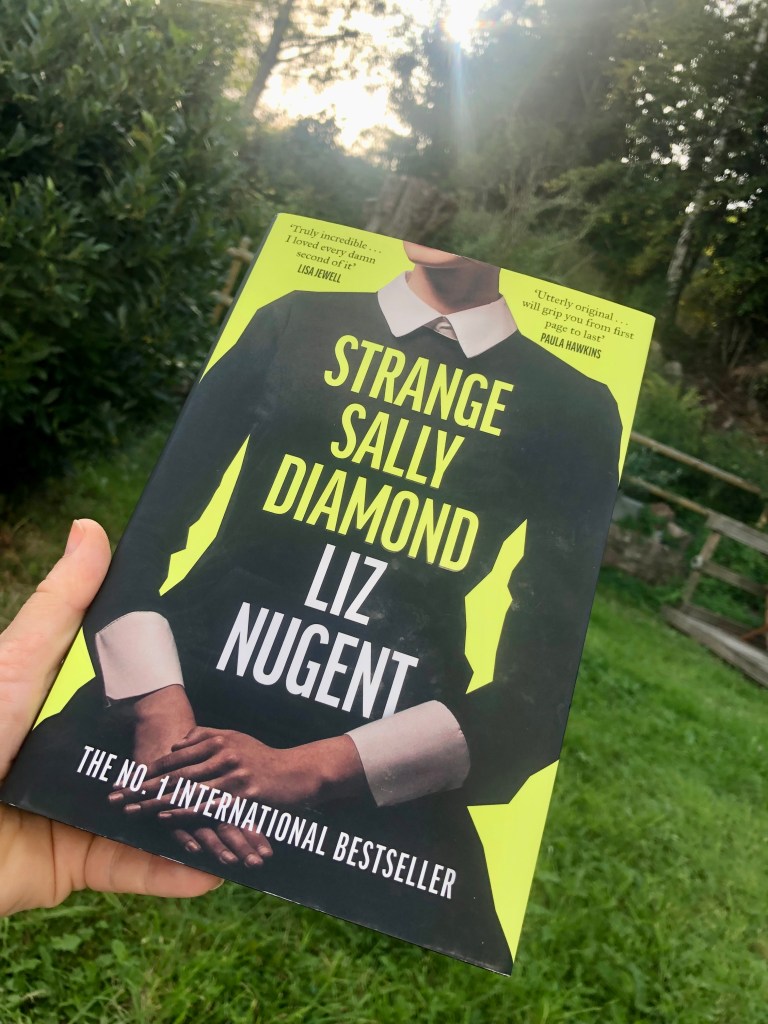
Sally Diamond cannot understand why what she did was so strange. She was only doing what her father told her to do, to put him out with the rubbish when he died. Now she is the centre of attention, not only from the hungry media and police detectives, but also a sinister voice from a past she cannot remember. As she begins to discover the horrors of her childhood, Sally steps into the world for the first time, making new friends and big decisions, and learning that people don’t always mean what they say. But who is the man observing Sally from the other side of the world? And why does her neighbour seem to be obsessed with her? Sally’s trust issues are about to be severely challenged.
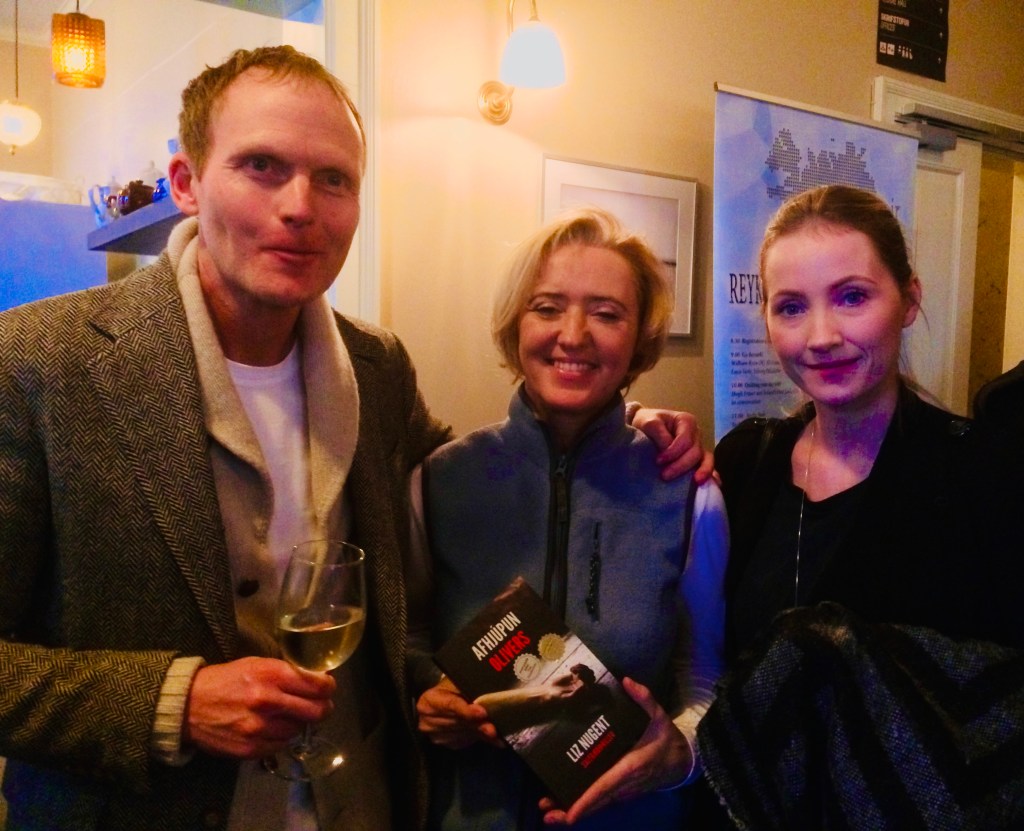
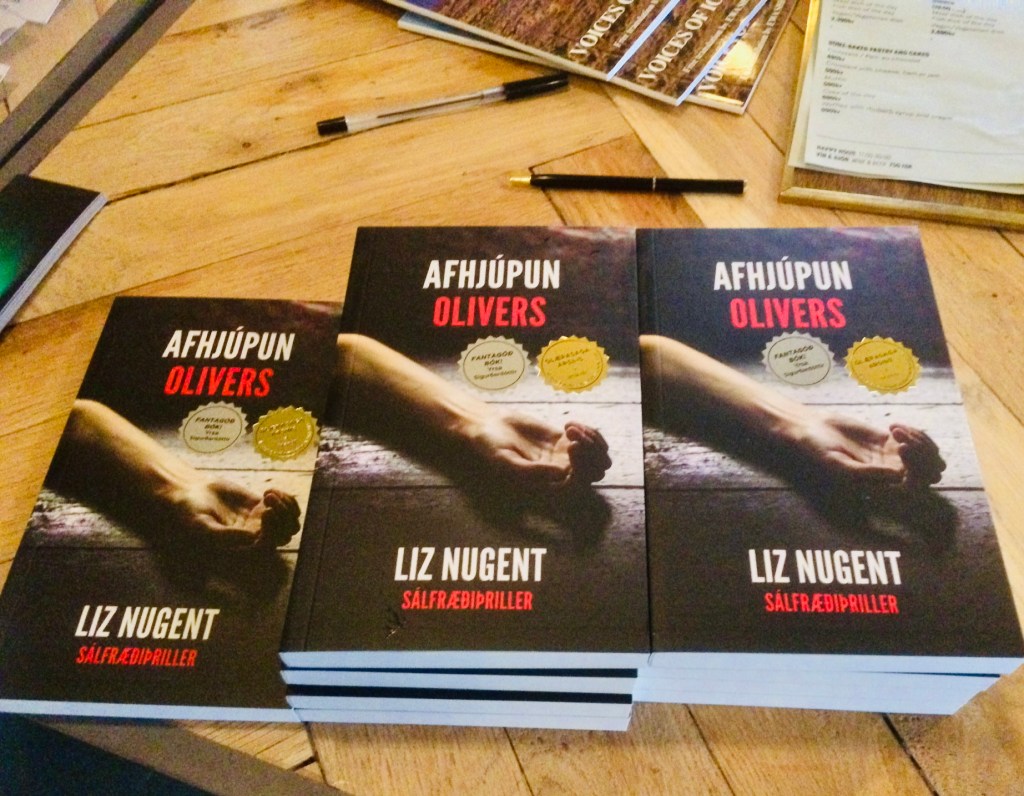
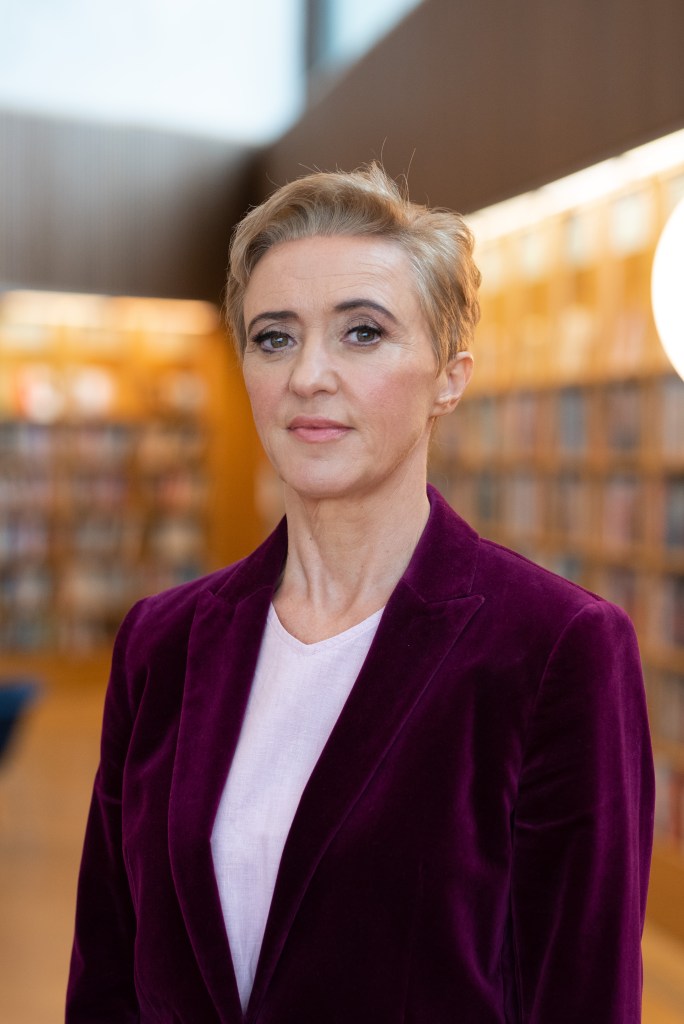
Well, how can I review this nuanced psychological thriller that left me an emotional speechless wreck? In the most positive way… I must also say that I have met the Irish author Liz Nugent in Reykjavik in 2018 during Iceland Noir. Her debut Unravelling Oliver has just been translated into Icelandic. Liz Nugent looked delicate and delightful. And she most certainly is. And then the words appeared and straight away it was clear that she is a formidable literary powerhouse of strong original ideas, and an incredible talent to tell stories that worm their way into your soul and stay for ever. And lead you into a complex world of vulnerability and strength, passion and courage, love and hate. Strange Sally Diamond is just that, a new novel so intense and so heart-wrenching I cannot stop thinking about it. Thousands of readers feel the same.
Iceland Noir 2018: Sigurjón Sigurgeirsson, Liz Nugent and Eva Björg ÆgisdóttirUnraveling Oliver in Icelandic
We meet Sally – ‘socially deficient’ and ‘quite normal but a little bit odd’ – Diamond when she’s forty-two, pretending to be deaf to avoid interaction with people in her village, and leading a very simple structured sheltered life. Burning her dead dad’s body in the incinerator at the back of the garden throws her uneventful existence into turmoil, into the unknown universe of attention from outsiders, police and locals who are both curious and outraged by her behaviour. Though she did exactly what her parent had said, she slowly realises that not everything must be taken literally and at face value. But how else could she have dealt with the outside world? She spent all her life with a caring but domineering psychiatrist father who had overruled advice and many reasonable suggestions from her late mother, and ‘hid’ her in safe but unsettling isolation. His intention was to keep her safe from trauma of horrific childhood.
That’s a huge shock and a beginning of a slow complicated process to learn about human relationships, and about own past which also is not exactly what Sally thought it was. She has no memories of her early childhood and limited comprehension of family dynamics; however, as she reluctantly embarks on a journey of self-discovery, yes, really!, with help of a therapist and ordinary sensible new friends, she must learn some basic things that most people take for granted, for example that it is OK to taste different food, talk on the phone, shake hands, change daily routine, or allow yourself to be touched and hugged. Getting immersed in this process allows reader to consider, and maybe even change, perception of a person with autistic traits.
Intricate plotting and complex links between various characters, plus two timelines establish a disturbing picture of intertwined lives in Ireland and in New Zealand. In this context the author brings a whole raft of small and big details that create a sense of dread and sensitivity. The social settings complement each other and show similarities and differences between attitudes in parenting. Dual plot lines focus on current day’s strange Sally and dysfunctional upbringing of strange Peter, and analyse roles of a father and a mother.
’His car was old. I could see he was wearing jeans with a shirt and tie. I couldn’t see his shoes. But you can’t judge a book by its cover, or a kidnapping rapist by the smile on his face.
No thank you. I don’t take lifts from strangers’
(c) Ruth Connolly
I deliberately do not want to write more about the plot as the unfolding horrendous past, glimpsed from letters left by Sally’s adoptive father, and then from conversations with distant family members, is the key to the understanding her personality and deep layers of hidden emotions within. Grief, trauma, longing, anger and love. Vulnerability that can explode in rage. All these – and no sense of security, no feeling of safe belonging. This devastating story has moments of true connection, optimism and laughter, moments of awkward encounters and childlike purity and naivety. The culmination of realising the truth did not appear to bring closure, and Sally’s story concludes with another hurdle showing difficulty of finding inner peace and some contentment. Although Liz Nugent explores evil and aspects of seriously damaged humans, she does it with compassion and empathy. She takes her heroine to the hell and back and hopes for some salvation for her.
Outstanding crime fiction from Denmark, Finland, Iceland, Norway, Sweden and Switzerland shortlisted for the 2023 Petrona Award.
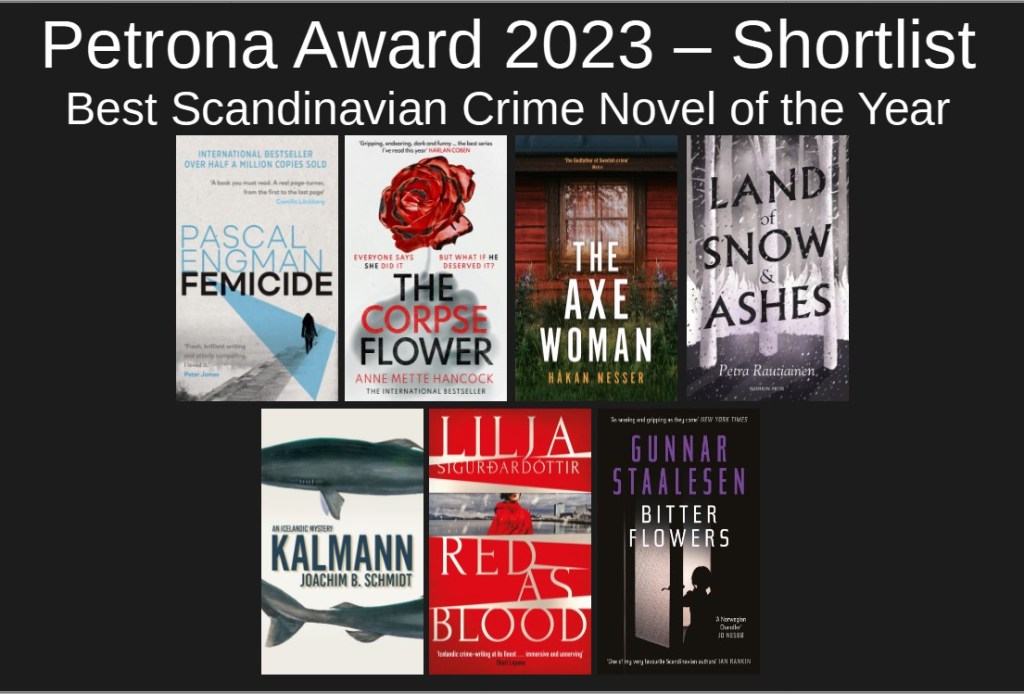
Seven impressive crime novels from Denmark, Finland, Iceland, Norway, Sweden and Switzerland have been shortlisted for the 2023 Petrona Award for the Best Scandinavian Crime Novel of the Year. The shortlist is announced today, Thursday 7 September and is as follows:
Pascal Engman – FEMICIDE tr. Michael Gallagher (Sweden, Legend Press)
Anne Mette Hancock – THE CORPSE FLOWER tr. Tara F Chace (Denmark, Swift Press)
Håkan Nesser – THE AXE WOMAN tr. Sarah Death (Sweden, Mantle)
Petra Rautiainen – LAND OF SNOW AND ASHES tr. David Hackston (Finland, Pushkin Press)
Joachim B Schmidt – KALMANN tr. Jamie Lee Searle (Switzerland, Bitter Lemon Press)
Lilja Sigurðardóttir – RED AS BLOOD tr. Quentin Bates (Iceland, Orenda Books)
Gunnar Staalesen – BITTER FLOWERS tr. Don Bartlett (Norway, Orenda Books)
The winning title will be announced on 5 October 2023. The Petrona Award is open to crime fiction in translation, either written by a Scandinavian author or set in Scandinavia, and published in the UK in the previous calendar year. The Petrona team would like to thank our sponsor, David Hicks, for his continued generous support of the Award.
The judges’ comments on the shortlist:
There were 43 entries for the 2023 Petrona Award from six countries (Denmark, Finland, Iceland, Norway, Sweden and Switzerland). There were twenty-one female, nineteen male, two female/male pairs and one male/male pair of authors. The novels were translated by 22 translators and submitted by 22 publishers / imprints. This year’s Petrona Award shortlist sees Sweden represented with two novels and Denmark, Finland, Iceland, Norway and Switzerland with one novel each. The judges selected the shortlist from a particularly strong pool of candidates with the shortlisted titles ranging from police procedural and private investigator to historical.
As ever, we are extremely grateful to the seven translators whose expertise and skill have allowed readers to access these outstanding examples of Scandinavian crime fiction, and to the publishers who continue to champion and support translated fiction.
The judges’ comments on each of the shortlisted titles:
Pascal Engman – FEMICIDE tr. Michael Gallagher (Sweden, Legend Press)
FEMICIDE is a page turning, absorbing, thriller featuring Detective Vanessa Frank. A young woman is found murdered in her apartment in the same week her violent ex-boyfriend is released from prison. Meanwhile, we hear the story of Jasmina, a survivor of a recent severe sexual assault. Engman dives into the world of incels through Tom, a very believable character who is part of a weaponised gender war.
As expected this is not a comfortable read, addressing the whole incel phenomenon which is of growing concern. The well written characters and increasingly tense plot strands keep the reader absorbed as the story comes to a pinnacle as the attacks against women escalate.
Anne Mette Hancock – THE CORPSE FLOWER tr. Tara F Chace (Denmark, Swift Press)
Journalist Heloise Kaldan is trapped in a nightmare. One of her sources has been caught lying. Then she receives a cryptic letter from Anna Kiel, wanted for murder, but not seen by anyone in three years. When the reporter who first wrote about the case is found murdered, detective Erik Schafer comes up with the first lead. Has Kiel struck again? As Kaldan starts digging deeper she realises that to tell Kiel’s story she will have to revisit her own dark past.
A dark and compelling story with echoes of Stieg Larsson’s THE GIRL WITH THE DRAGON TATTOO, this is an exceptionally strong start to the series, with a balanced blend of journalistic detection, psychological thriller and police procedural.
Håkan Nesser – THE AXE WOMAN tr. Sarah Death (Sweden, Mantle)
The fifth and final Inspector Gunnar Barbarotti novel from Håkan Nesser, sees Barbarotti returning to work after a personal tragedy and tasked with the investigation of a cold case, based on the unexplained disappearance of Arnold Morinder five years previously. Morinder’s former partner Ellen Bjarnebo, who had been previously convicted of the brutal murder of her first husband, is sought by Barbarotti for more information, but she too has disappeared.
Håkan Nesser’s credentials as a superior storyteller are once more in evidence in THE AXE WOMAN, with its impressive narrative arc and peerless characterisation, coupled with a perceptive translation by Sarah Death.
Petra Rautiainen – LAND OF SNOW AND ASHES tr. David Hackston (Finland, Pushkin Press)
LAND OF SNOW AND ASHES is set at a prison camp in Finnish Lapland in 1944 during the occupation by Nazi Germany, and in 1947 when journalist Inkeri arrives in remote Enontekiö on an assignment to chart the area’s social development. She gets to know the small community, discovers disturbing silenced crimes, and tries to find out what happened to her missing husband. Rautiainen weaves in the elements of Finland’s recent hidden history in the European context, and gives voice to the Sámi people, while Inkeri’s personal investigation shows the painful truths of human brutality and the cost of survival in extreme conditions.
A harsh yet beautiful landscape adds to the mystery and allows for reflection and thought in this striking historical but contemporary novel.
Joachim B Schmidt – KALMANN tr. Jamie Lee Searle (Switzerland, Bitter Lemon Press)
A local hotel owner and entrepreneur has gone missing, then Kalmann Odinsson discovers a pool of blood in the snow in the quiet village of Raufarhofn. Kalmann is an engaging, highly observant, neurodiverse character who sees the world his own way and who can easily become overwhelmed. He hunts and makes fermented shark and his usually quiet life in the small community falls into turmoil as the police arrive to investigate formally.
This quirky Icelandic story quickly draws the reader in, and information is revealed slowly as the mystery is solved. KALMANN is a beautifully written, absorbing, character-driven tale set in a rich Icelandic landscape.
Lilja Sigurðardóttir – RED AS BLOOD tr. Quentin Bates (Iceland, Orenda Books)
Following the events in COLD AS HELL, the UK-based financial investigator Áróra Jónsdóttir still searches for her sister Ísafold in Iceland, now convinced she will only find her sister’s body. Teaming again with Daníel, an old family friend and a detective, she becomes involved in the murky, violent, criminal underworld when the entrepreneur Flosi’s wife gets kidnapped.
The chilling scenery and tight plotting with unexpected twists propel the novel into the uncommon sphere of financial crime mixed with a strong sense of unease and danger. The writing is sharp, intelligent and witty, and the characters authentic. Sigurðardóttir surprises at every step with her exciting style, faultlessly brought into English by Quentin Bates.
Gunnar Staalesen – BITTER FLOWERS tr. Don Bartlett (Norway, Orenda Books)
BITTER FLOWERS is set in Norway in the 1980s during the heated atmosphere of toxic waste environmental protests. Private investigator Varg Veum is just out of rehab for his alcoholism. The story starts with a body found under suspicious circumstances in a swimming pool. The lifestyle of the rich, their power and the privilege their money affords them comes into question.
Staalesen is an expert at making his characters just complex enough that the reader can empathise with the human condition in the majority of them. BITTER FLOWERS is finely crafted and translated giving the reader a clear sense of location and an array of vivid characters to spend their time with.
The judges
Jackie Farrant – creator of RAVEN CRIME READS and a bookseller/ Area Commercial Support for a major book chain in the UK. Miriam Owen – founder of the NORDIC NOIR blog, passionate about the arts, she moderates author panels and provides support at crime fiction festivals. Ewa Sherman – translator and writer, and blogger at NORDIC LIGHTHOUSE.
Award administrator Karen Meek – owner of the EURO CRIME blog and website. Further information can be found on the Petrona Award website: http://www.petronaaward.co.uk







 Nordic Lighthouse