
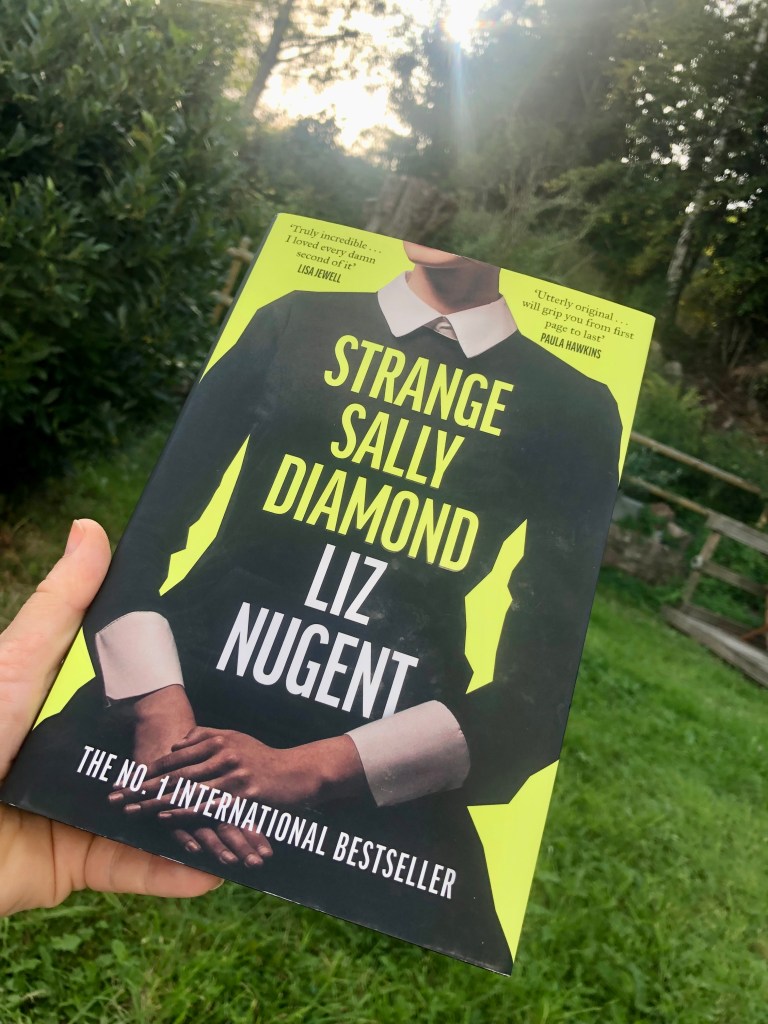
Sally Diamond cannot understand why what she did was so strange. She was only doing what her father told her to do, to put him out with the rubbish when he died.
Now she is the centre of attention, not only from the hungry media and police detectives, but also a sinister voice from a past she cannot remember. As she begins to discover the horrors of her childhood, Sally steps into the world for the first time, making new friends and big decisions, and learning that people don’t always mean what they say.
But who is the man observing Sally from the other side of the world? And why does her neighbour seem to be obsessed with her? Sally’s trust issues are about to be severely challenged.
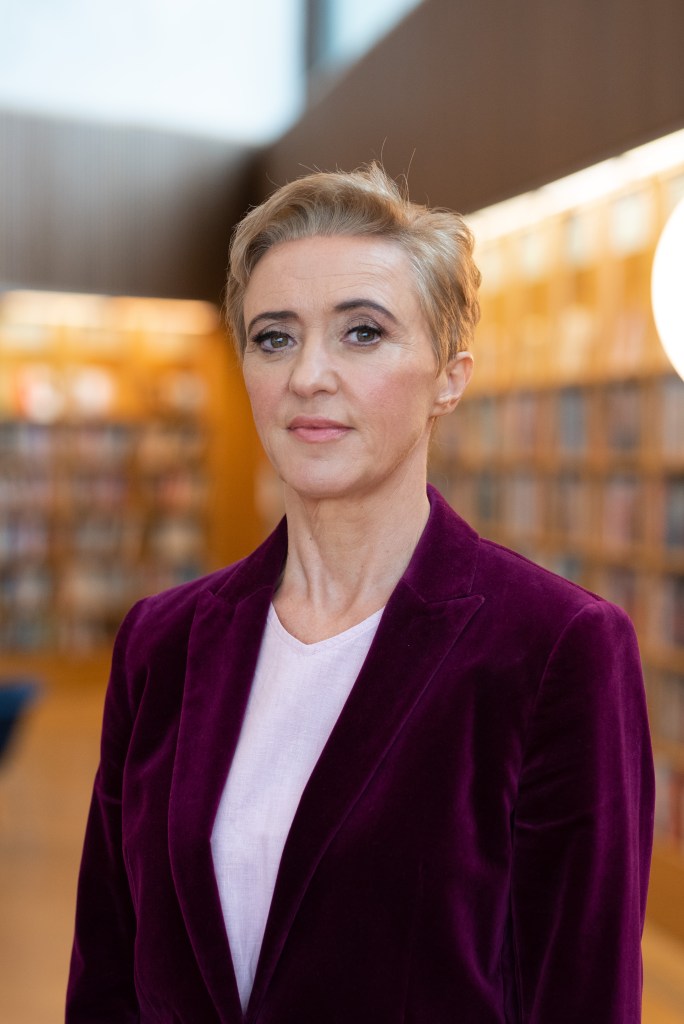
Well, how can I review this nuanced psychological thriller that left me an emotional speechless wreck? In the most positive way… I must also say that I have met the Irish author Liz Nugent in Reykjavik in 2018 during Iceland Noir. Her debut Unravelling Oliver has just been translated into Icelandic. Liz Nugent looked delicate and delightful. And she most certainly is. And then the words appeared and straight away it was clear that she is a formidable literary powerhouse of strong original ideas, and an incredible talent to tell stories that worm their way into your soul and stay for ever. And lead you into a complex world of vulnerability and strength, passion and courage, love and hate. Strange Sally Diamond is just that, a new novel so intense and so heart-wrenching I cannot stop thinking about it. Thousands of readers feel the same.
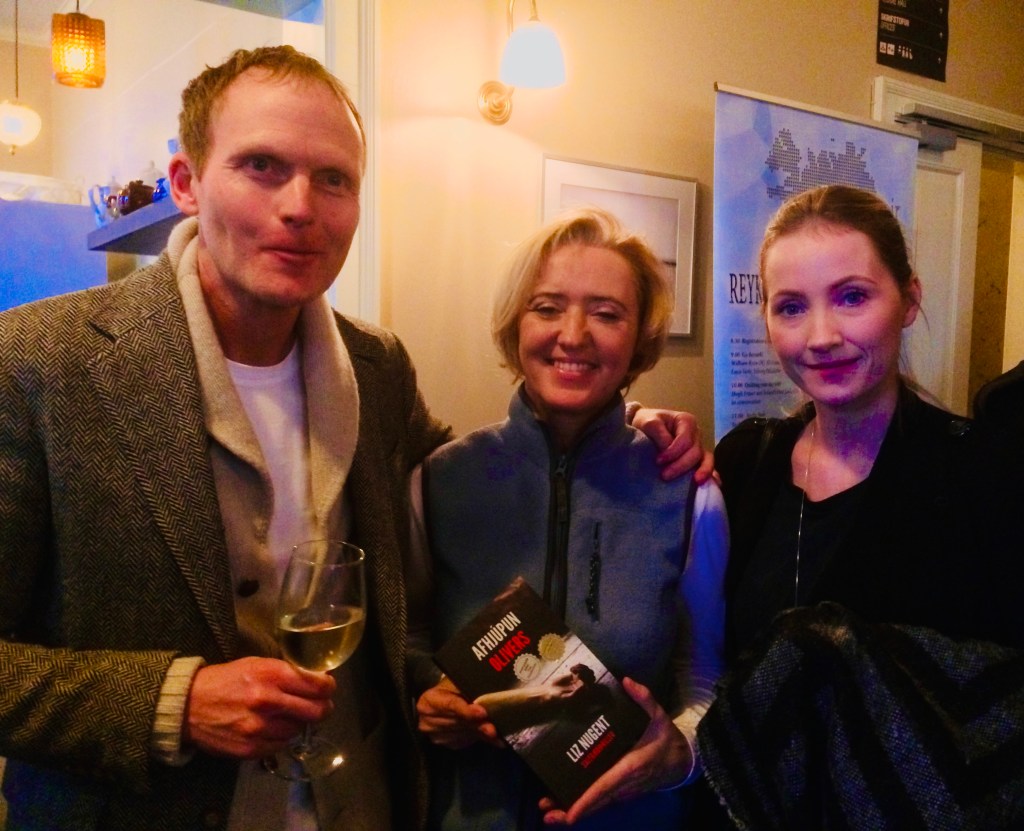
and Eva Björg Ægisdóttir
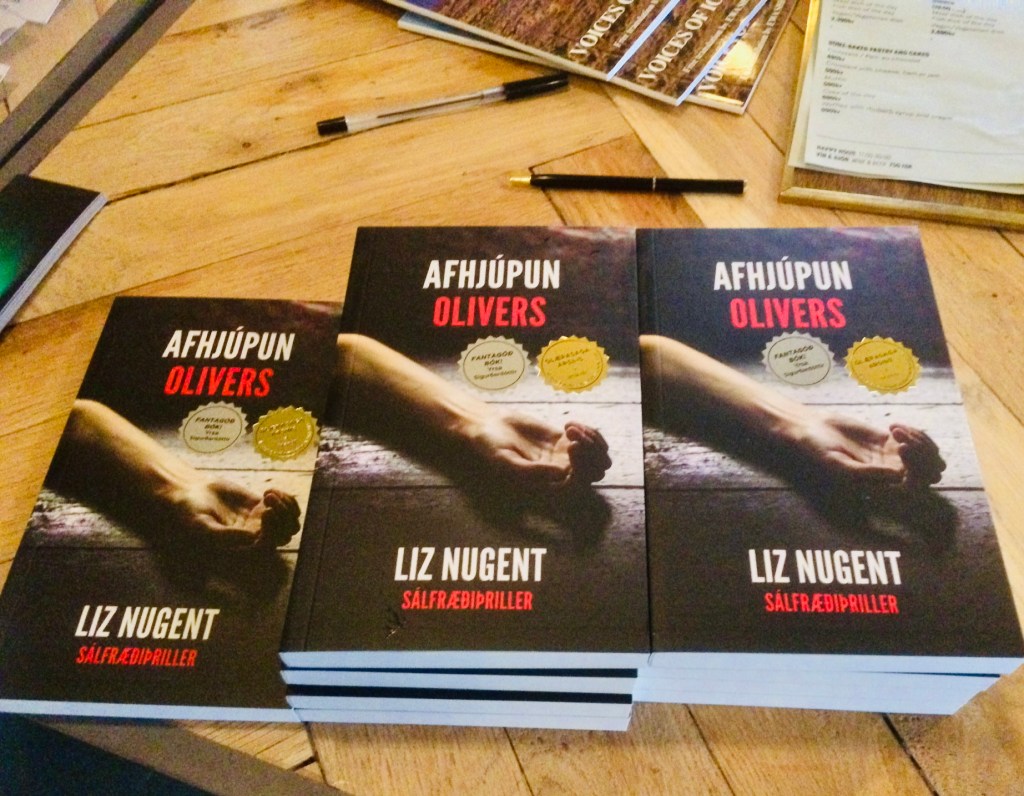
We meet Sally – ‘socially deficient’ and ‘quite normal but a little bit odd’ – Diamond when she’s forty-two, pretending to be deaf to avoid interaction with people in her village, and leading a very simple structured sheltered life. Burning her dead dad’s body in the incinerator at the back of the garden throws her uneventful existence into turmoil, into the unknown universe of attention from outsiders, police and locals who are both curious and outraged by her behaviour. Though she did exactly what her parent had said, she slowly realises that not everything must be taken literally and at face value. But how else could she have dealt with the outside world? She spent all her life with a caring but domineering psychiatrist father who had overruled advice and many reasonable suggestions from her late mother, and ‘hid’ her in safe but unsettling isolation. His intention was to keep her safe from trauma of horrific childhood.
That’s a huge shock and a beginning of a slow complicated process to learn about human relationships, and about own past which also is not exactly what Sally thought it was. She has no memories of her early childhood and limited comprehension of family dynamics; however, as she reluctantly embarks on a journey of self-discovery, yes, really!, with help of a therapist and ordinary sensible new friends, she must learn some basic things that most people take for granted, for example that it is OK to taste different food, talk on the phone, shake hands, change daily routine, or allow yourself to be touched and hugged. Getting immersed in this process allows reader to consider, and maybe even change, perception of a person with autistic traits.
Intricate plotting and complex links between various characters, plus two timelines establish a disturbing picture of intertwined lives in Ireland and in New Zealand. In this context the author brings a whole raft of small and big details that create a sense of dread and sensitivity. The social settings complement each other and show similarities and differences between attitudes in parenting. Dual plot lines focus on current day’s strange Sally and dysfunctional upbringing of strange Peter, and analyse roles of a father and a mother.
’His car was old. I could see he was wearing jeans with a shirt and tie. I couldn’t see his shoes. But you can’t judge a book by its cover, or a kidnapping rapist by the smile on his face.
No thank you. I don’t take lifts from strangers’
I deliberately do not want to write more about the plot as the unfolding horrendous past, glimpsed from letters left by Sally’s adoptive father, and then from conversations with distant family members, is the key to the understanding her personality and deep layers of hidden emotions within. Grief, trauma, longing, anger and love. Vulnerability that can explode in rage. All these – and no sense of security, no feeling of safe belonging. This devastating story has moments of true connection, optimism and laughter, moments of awkward encounters and childlike purity and naivety. The culmination of realising the truth did not appear to bring closure, and Sally’s story concludes with another hurdle showing difficulty of finding inner peace and some contentment. Although Liz Nugent explores evil and aspects of seriously damaged humans, she does it with compassion and empathy. She takes her heroine to the hell and back and hopes for some salvation for her.

Liz Nugent will appear at Bloody Scotland – International Crime Writing Festival on 16th September. If you are lucky to be in Stirling at the that time, you must please join her in conversation with Lisa Jewell. Tickets are here: Bloody Scotland – live event. Or get your ticket to catch up with the event online Bloody Scotland – online. It’s going to be an unforgettable experience. Thank you Bloody Scotland for the invitation to join the festival blog tour.
 Nordic Lighthouse